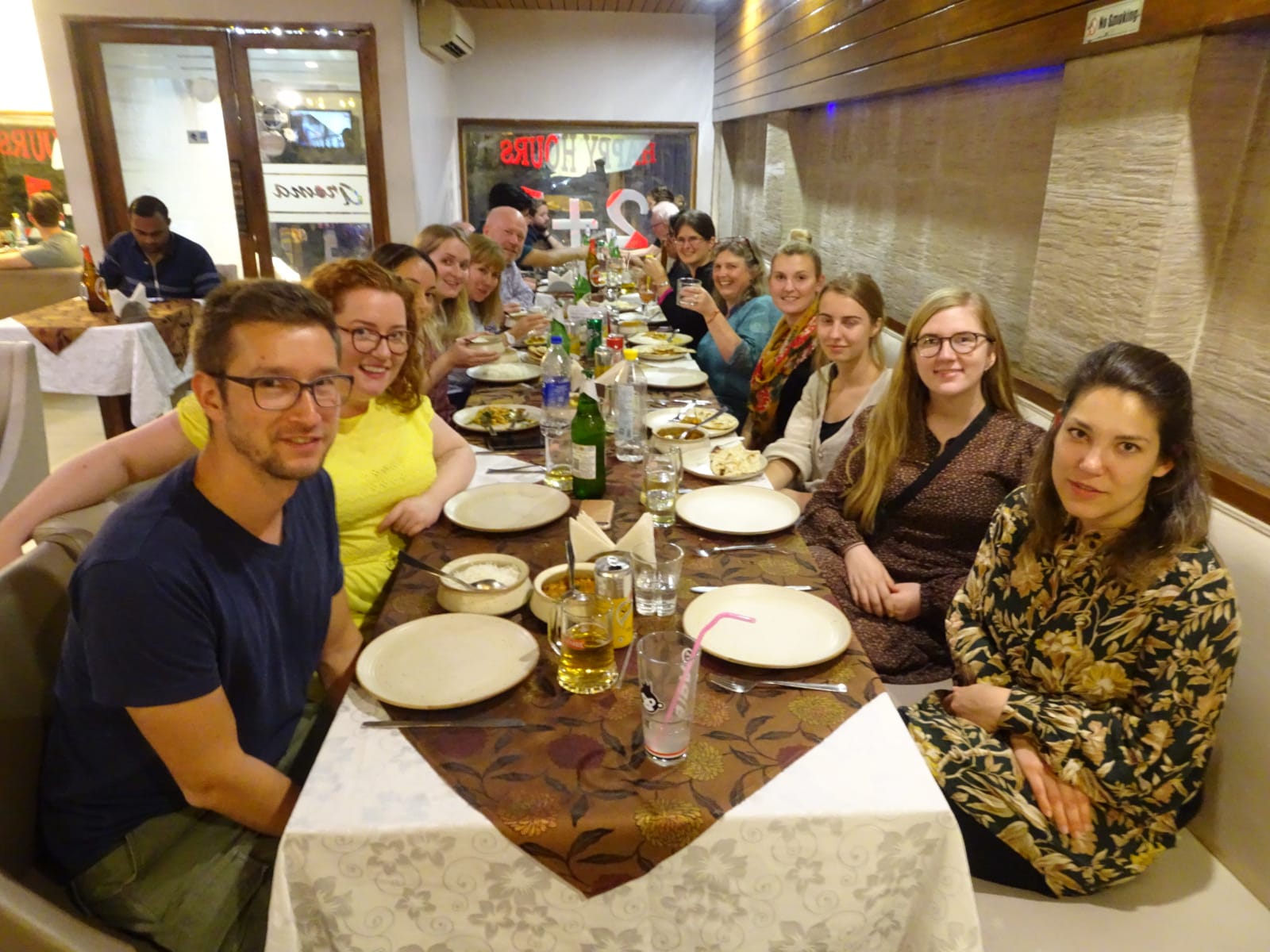
The first day we arrived, we had a siesta in the afternoon to try to recover from the jet lag and lack of sleep before meeting our G Adventures group and CEO (Chief Experience Officer) in the evening. Then we headed out for dinner together. One of the first things the CEO did was provide us with face masks to help protect us against the Delhi smog (or maybe it’s just because he thought we were ugly?).
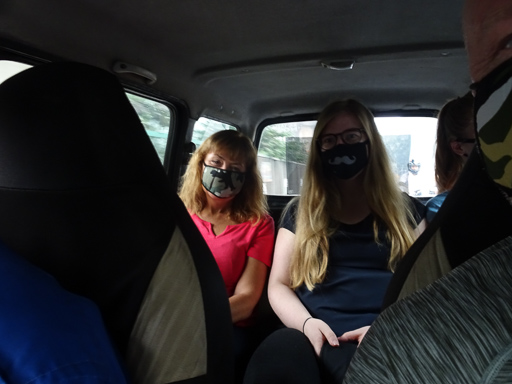
Unfortunately the smog was one of the first impacts Delhi had on us. It’s caused by a combination of traffic fumes greatly exacerbated by farmers in the region burning stubble in the fields after the crop harvest. Another cause was the firework smoke from the recent Diwali festival.
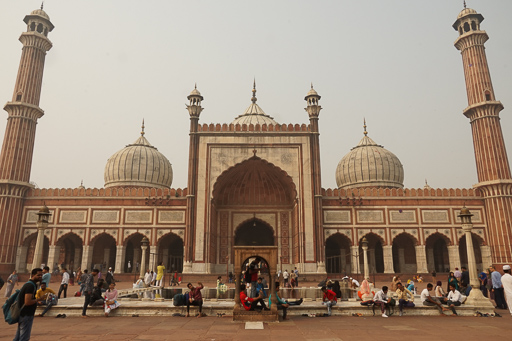
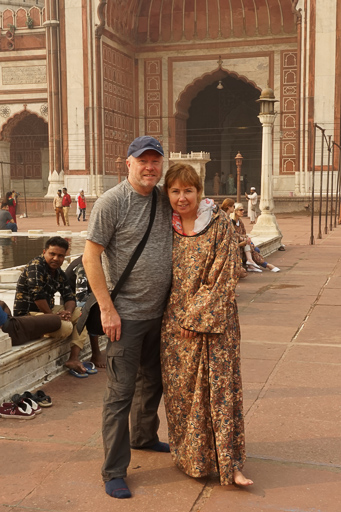
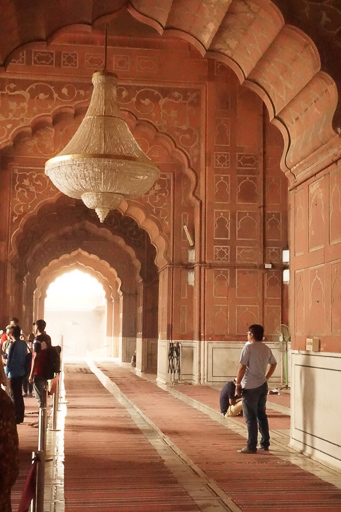
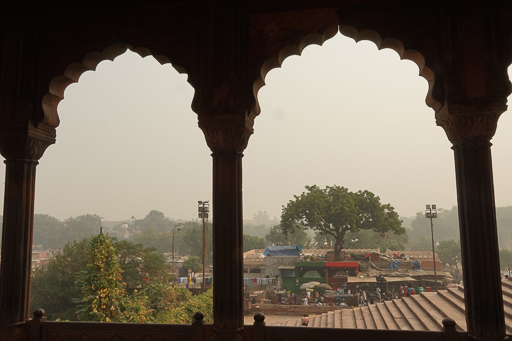
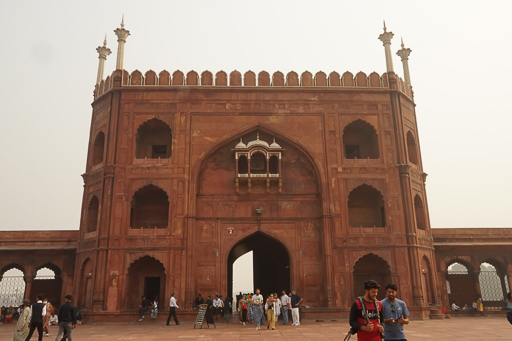
We took a morning walk with our guide round Old Delhi. First of all we visited the Jama Masjid mosque.
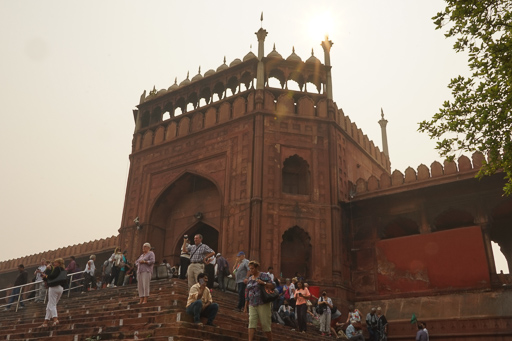
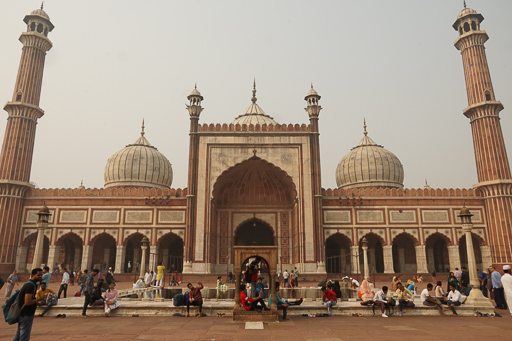
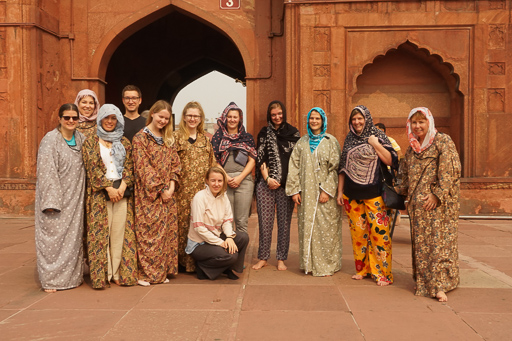
-
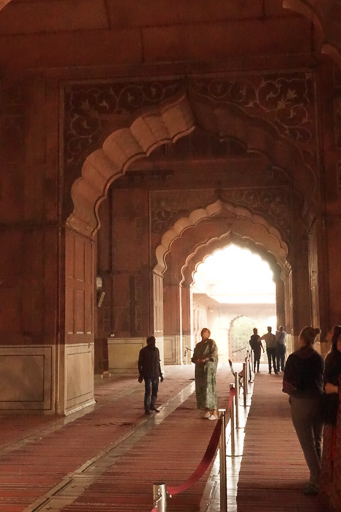
Islamic arches -
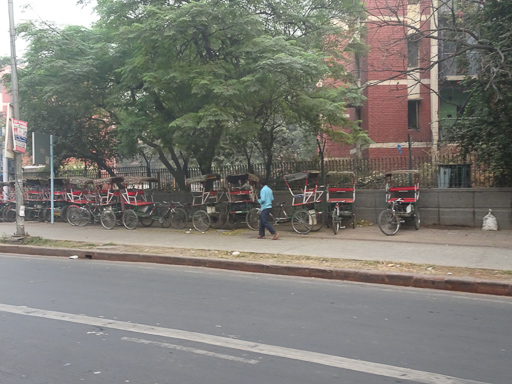
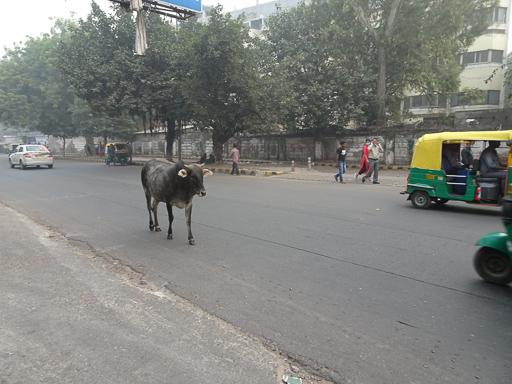
Delhi traffic is a crazy combination of pedal rickshaws, Tuk tuks, cars, motorbikes, scooters, bikes, dogs, and cows. Cows are sacred in the Hindu religion, so can basically do what they want. It’s strange to see them wandering around the city, but they are fed by the locals.
We took a walk with our guide through the backstreets of the old city including the Chandni Chowk market.
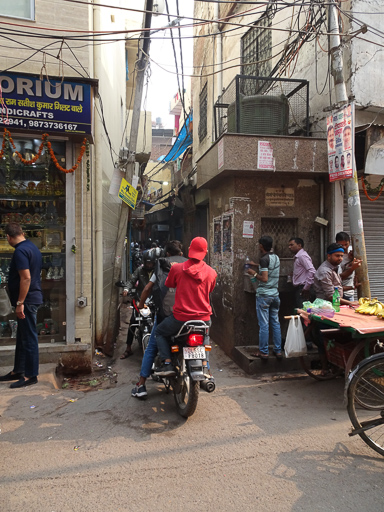
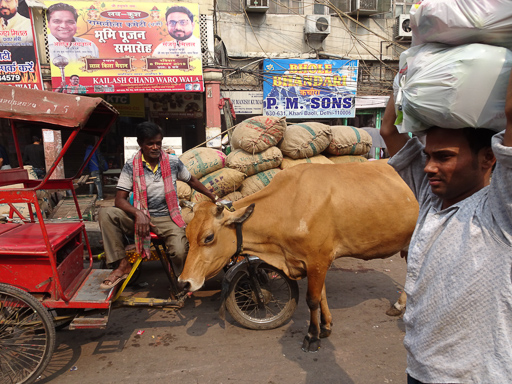
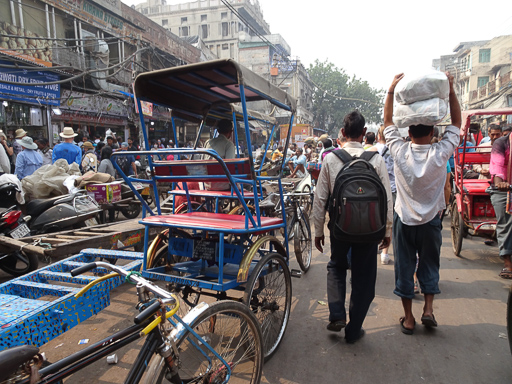
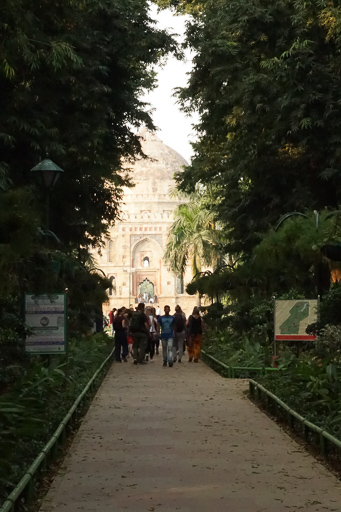
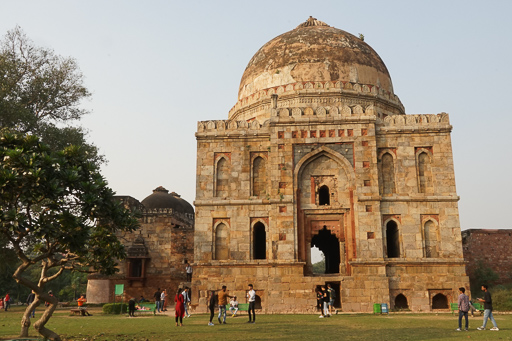
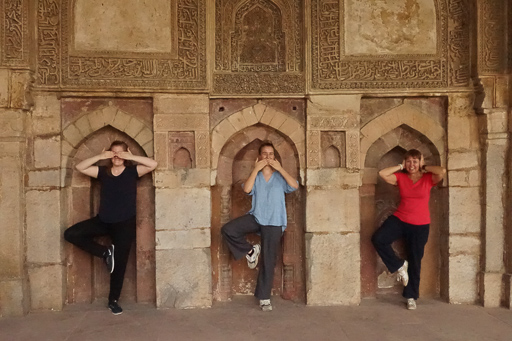
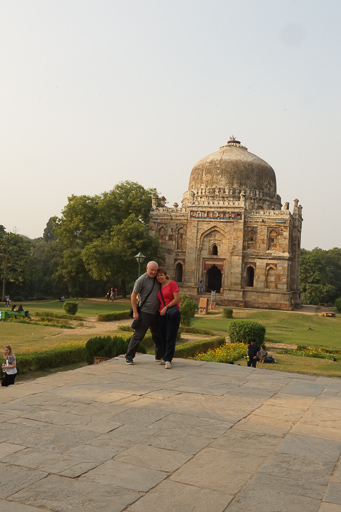
We took Tuk tuks to Lodhi gardens which was a lovely oasis of tranquility in the Delhi craziness.
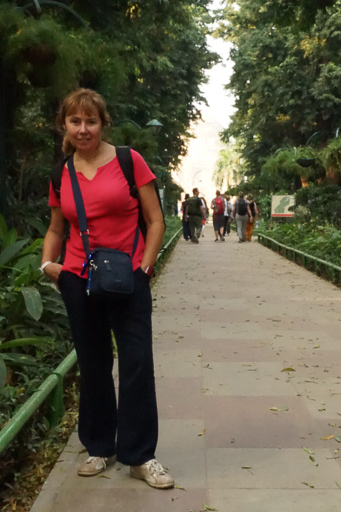
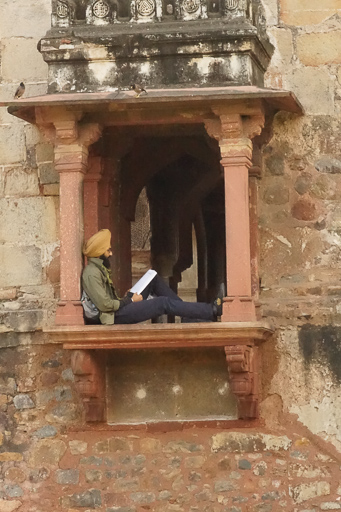
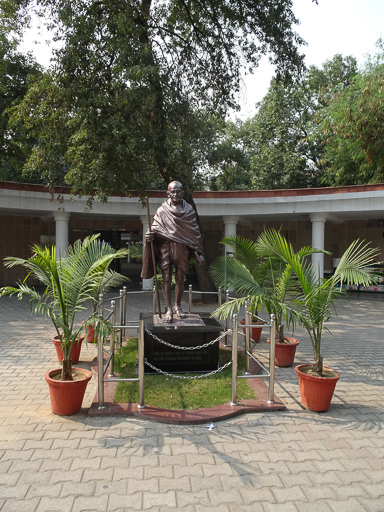
Then to Raj Ghat for the Gandhi Memorial.
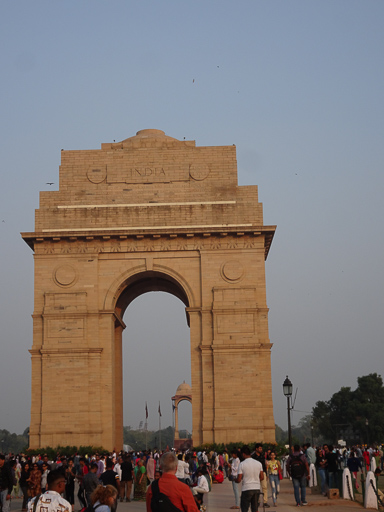
Next up was the Akshardham temple.
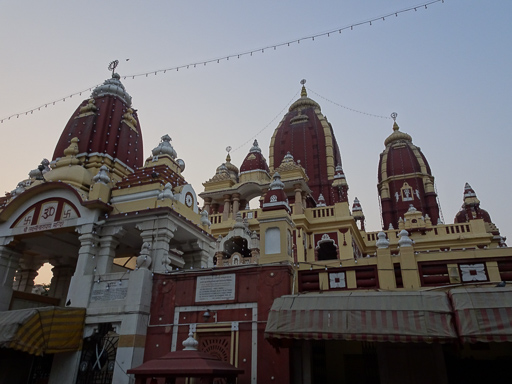
Did you spot the Swastika symbols on the temple? In the West this has extremely negative connotations since the Nazis adopted it. It is however a very ancient symbol which has been used by Hindus for thousands of years, and other civilizations before. Swastika is from Sanskrit meaning “conducive to well being” or “good luck”. In Hinduism it symbolises the sun, similarly representing prosperity or good luck.
After only one very full day in Delhi (that was enough for us), we caught the overnight sleeper train to Jodhpur.
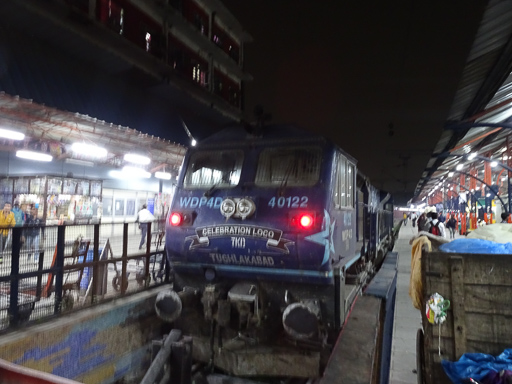
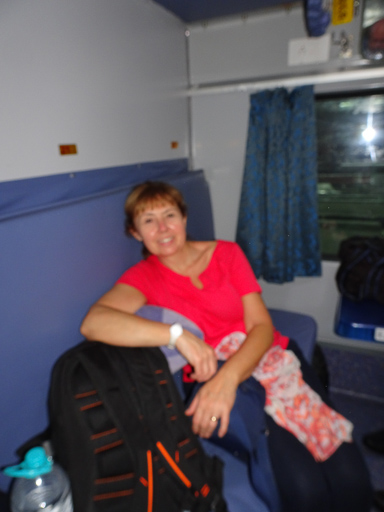
So we left Delhi in a bit of a daze. It’s a crazy but wonderful experience, but at the same time we were glad to escape to our next city.