The most significant cities in Colonial times were Sucre, the original government capital and still the judicial capital, and Potosi, the silver mining capital.
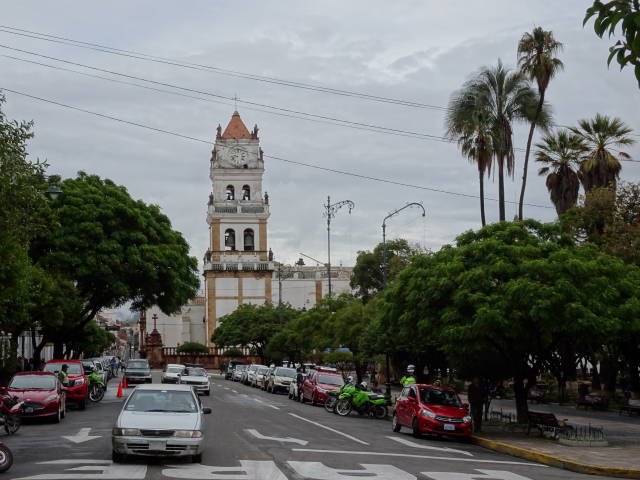
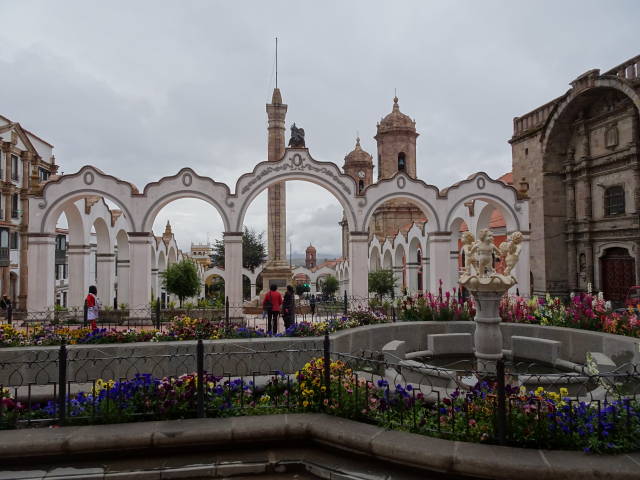
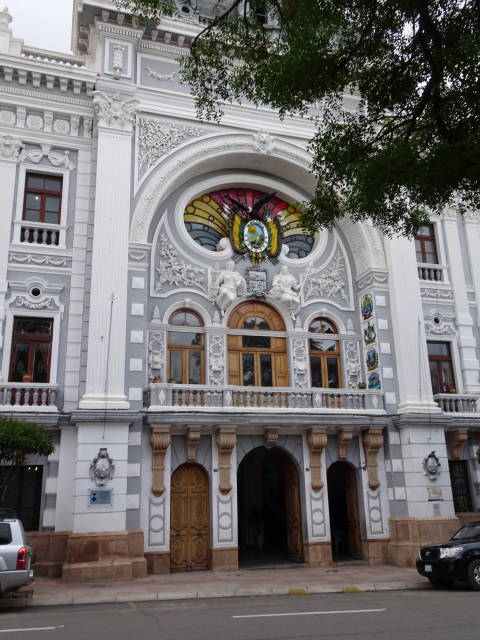
Firstly we visited Sucre.
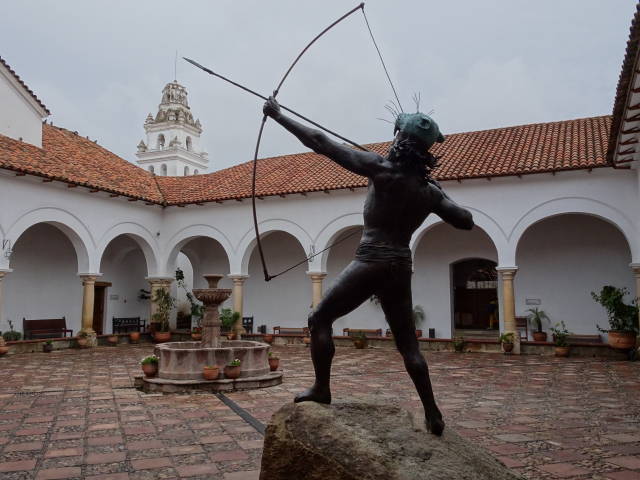
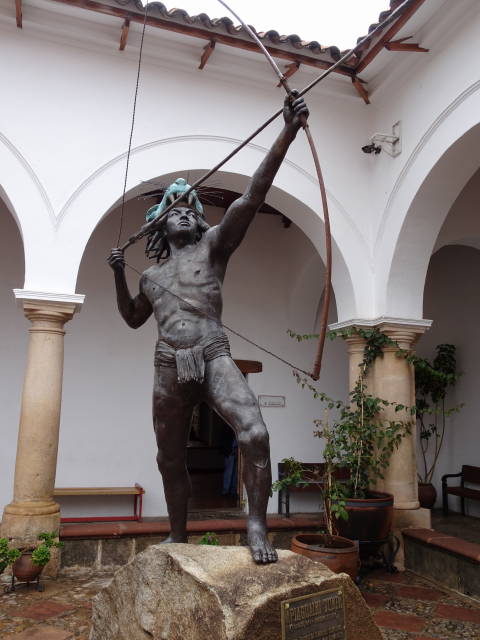
Indigenous resistance fighter
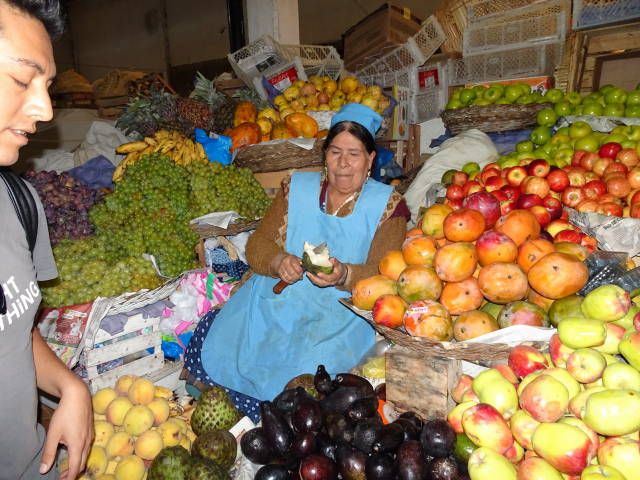
On a tour of the market we were taught to ask for our “yapa” (Quechuan) – just a little bit extra.
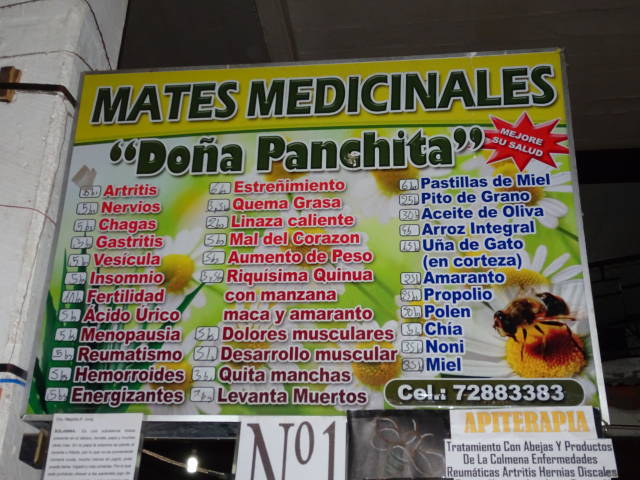
Teas to cure all ills
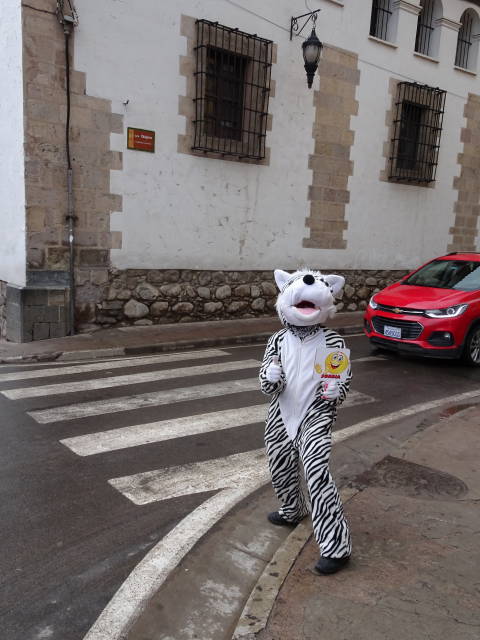
Zebra crossing
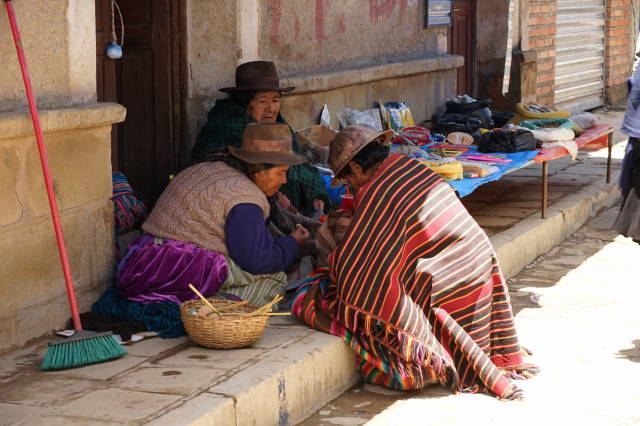
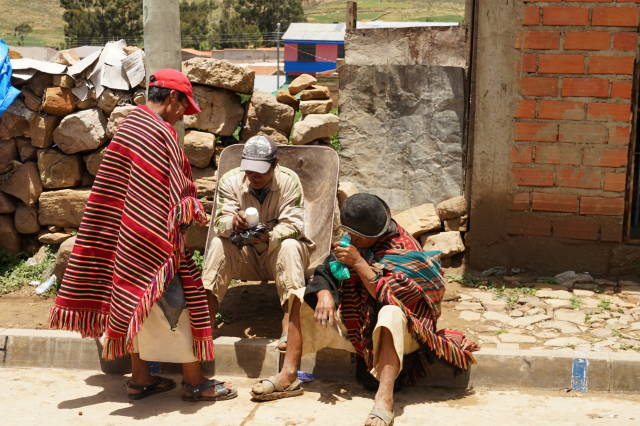
On Sundays, there is a traditional, local market in the nearby town of Tarabuco. This is very much an indigenous town, where the first language is still Quechua and the people still wear traditional costumes.
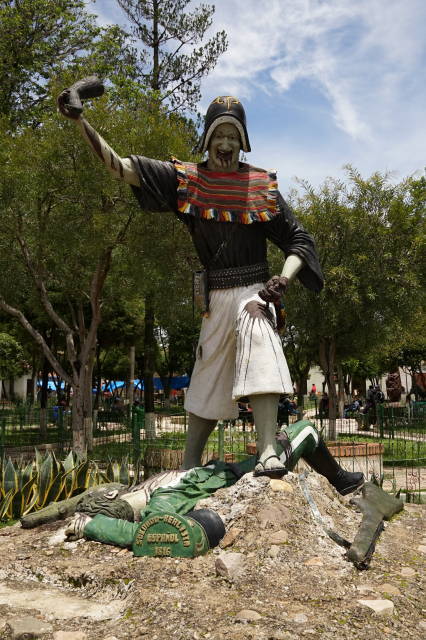
Victorious indigenous statue – maybe still some resistance to Colonisation?
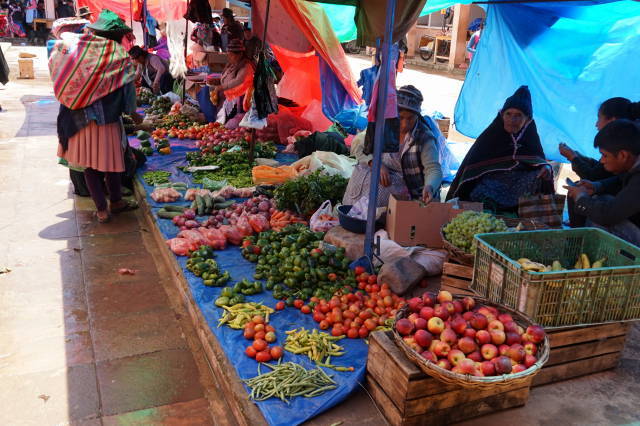
Fruit and veg market
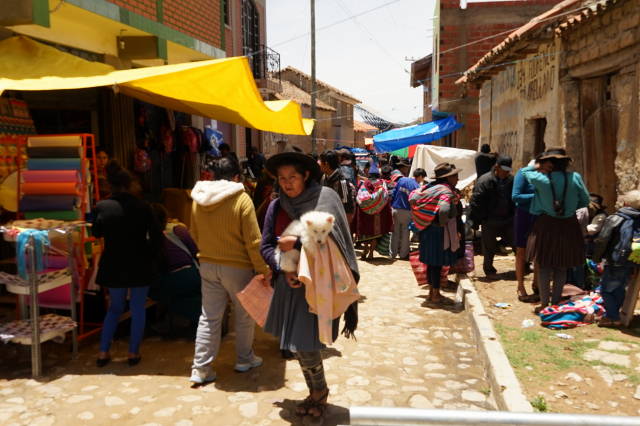
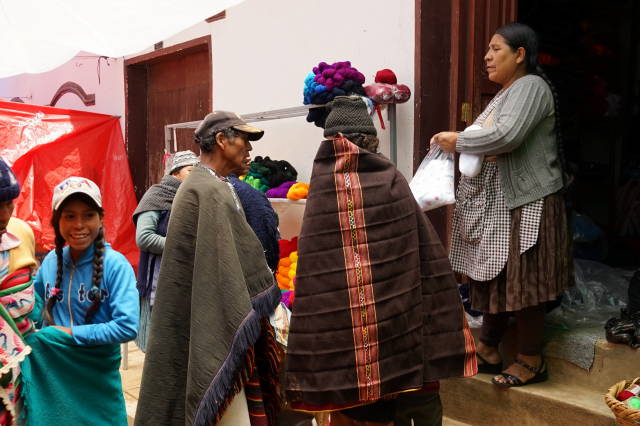
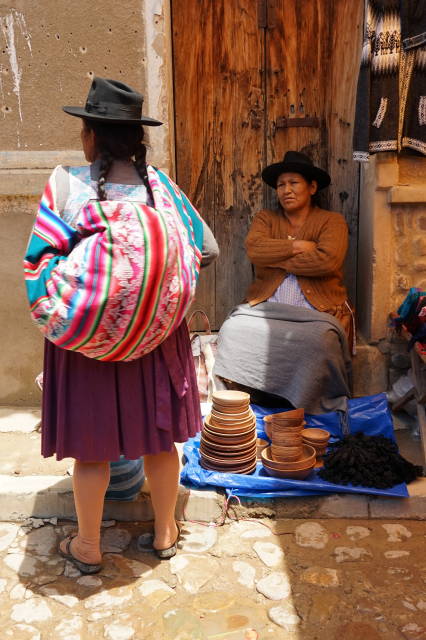
Catching up on gossip
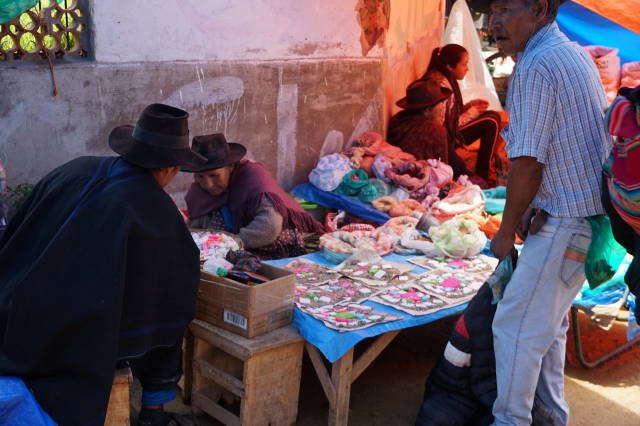
Stall selling some offerings for traditional religion.
For a bit of an adrenaline rush, we took a quad bike tour.
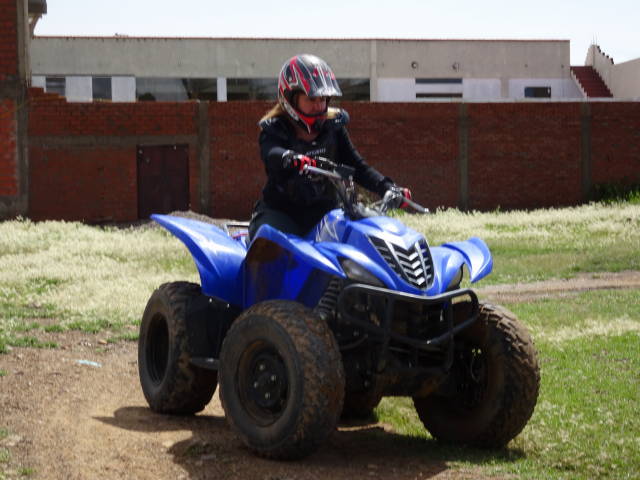
A bit of practice
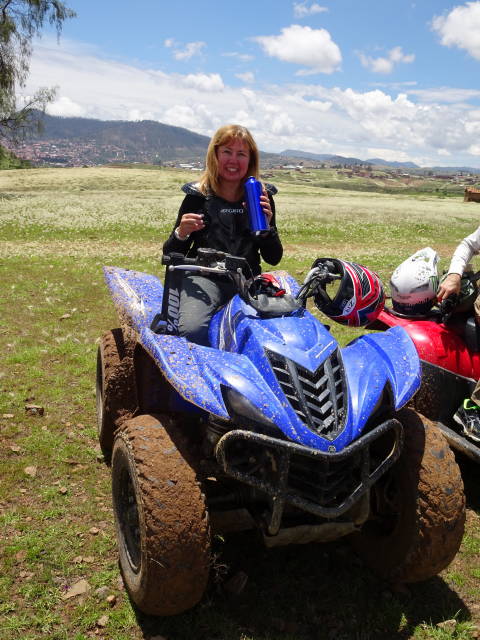
Great countryside and scenery
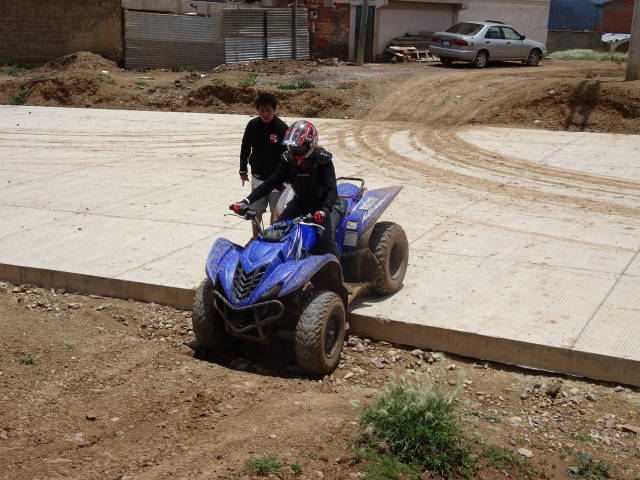
Tricky, but confident
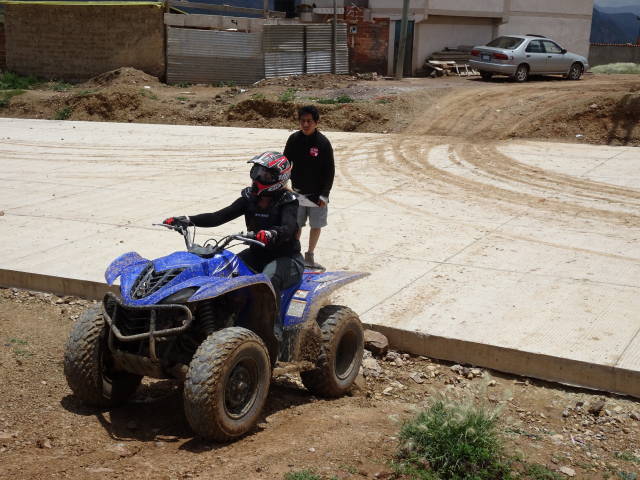
Made it
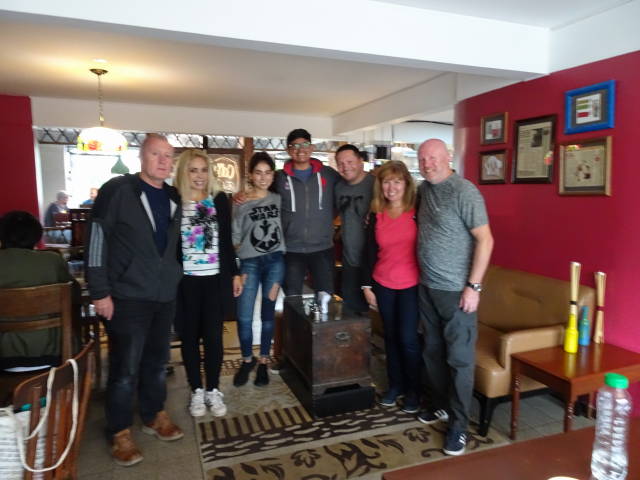
We met up with our G Adventures CEO for the Brazil trip, Karina and her brother and daughter (who were also on the trip). They live in Sucre and were great hosts for a few hours, showing us their city (and eating chocolate and drinking coffee).
From Sucre we headed to Potosi.
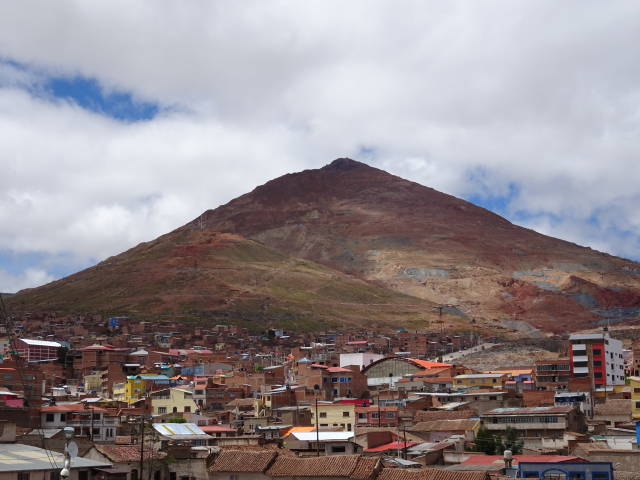
Potosi sits at the foot of the mountain “Cerro Rico” (“Rich Mountain”). Cerro Rico contains the world’s largest silver deposit, and at one time produced 60% of the world’s mined silver. Most of the silver was shipped to Spain.
Cerro Rico (“Rich Mountain”)
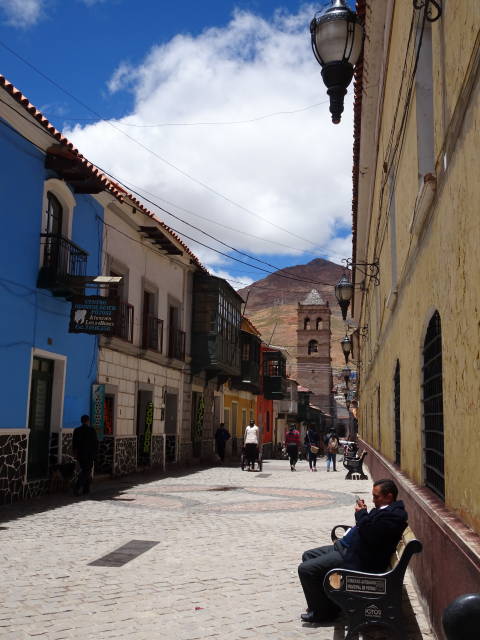
Cerro Rico from the town
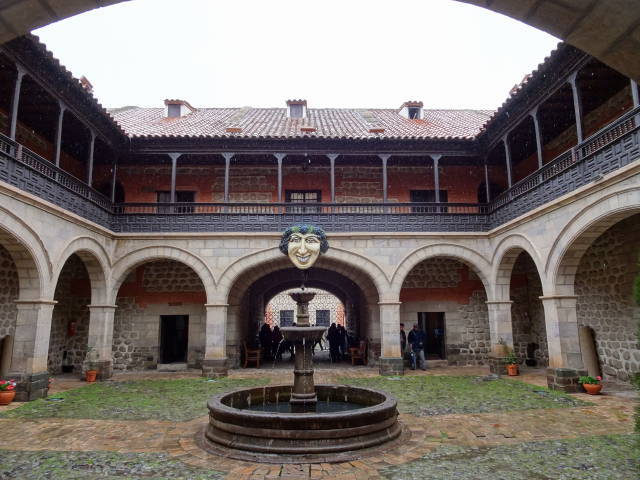
The National Mint Museum
Silver was minted into “Spanish dollar”coins, also known as “pieces of eight” (eight Royals or Reals). The Spanish dollar was the coin upon which the original United States dollar was based, and it remained legal tender in the United States until the Coinage Act of 1857.
There are a number of theories for the origin of the dollar symbol, but I believe the most compelling is from the symbol on Spanish silver dollar coins.
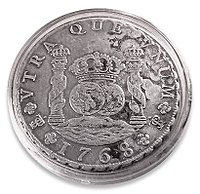
The two pillars on the coin are the Pillars of Hercules. The pillar with a rolled script around it is clearly a dollar symbol. The Pillars of Hercules in the Mediterranean were the Rock of Gibraltar and a mountain peak in North Africa. The actual mountain is disputed. The Pillars of Hercules guarded the edge of the known world – until America was discovered.
Incidentally, the word “dollar” originated from the german word “thaler”. “Thal” (modern “Tal”) means valley, and that was from the “Joachismsthal” valley in Bohemia where silver was mined.
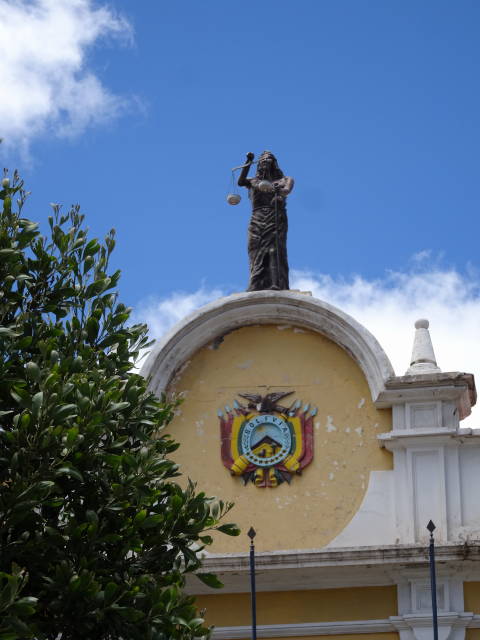
Scales
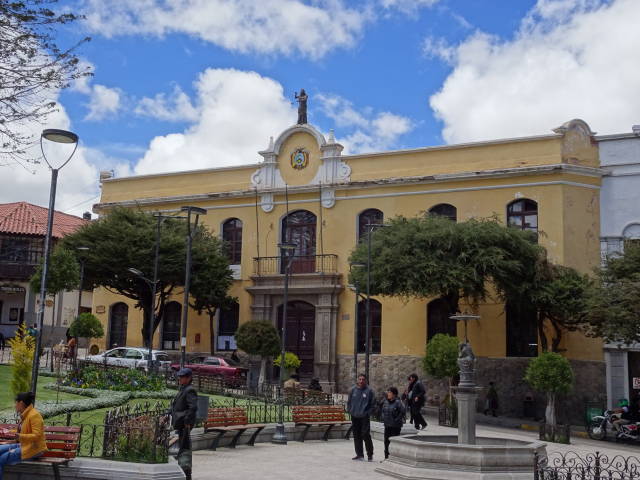
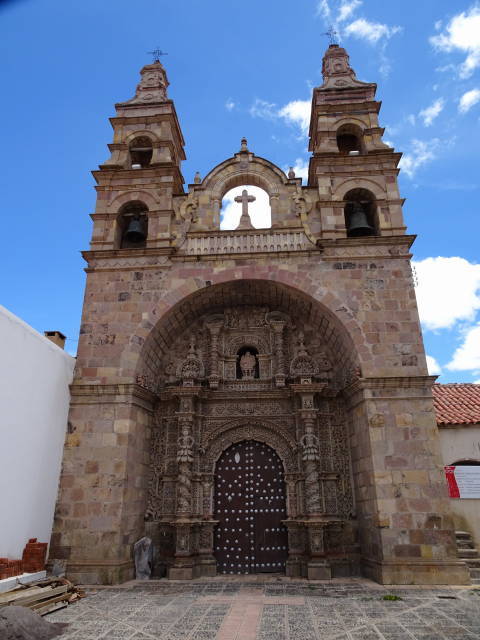
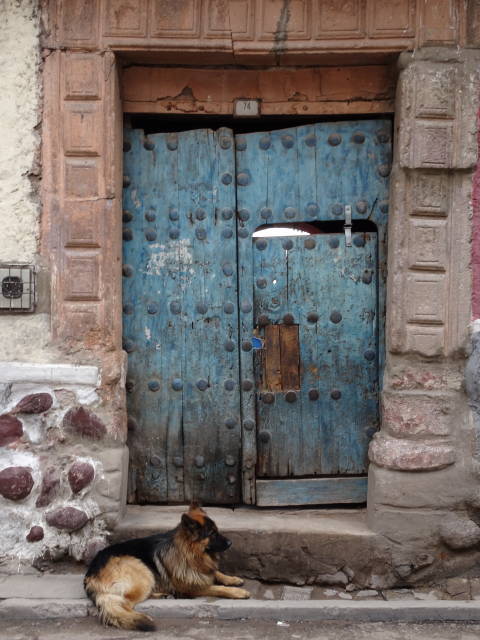
Old door and (guard?) dog
We tried various local dishes in Potosi including Calapurca soup. This comes bubbling with a hot rock. This is how the miners heated the soup their wives gave them.