

In 2015 we took a small group tour with Natural World Safaris to Madagascar. This was technically before we “careered-off” but the blog post has been added retrospectively for completeness.
Madagascar is located only 400km off Mozambique on the African coast. But it isn’t originally anything to do with Africa. Due to the action of tectonic plates, Madagascar split from the Indian subcontinent over 88 million years ago and drifted towards Africa.

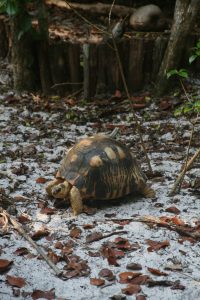
Due to its long period of isolation, over 90% of the flora and fauna is unique to Madagascar.
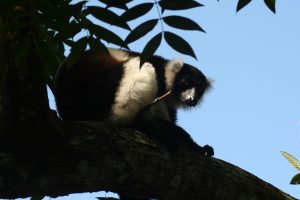
Madagascar is famous for its lemurs, Lemurs are primates but evolved independently of monkeys and apes. Lemurs had no competition so this spawned over 100 species. Unfortunately, due to habitat destruction through slash-and-burn agriculture, felling of trees to produce charcoal for cooking, and due to killing for bushmeat, almost all lemur species are rare, vulnerable, or endangered.
The native Malagasy people arrived from Indonesia around 10,000 years ago. The Malagasy language is of Malayo-Polynesian origin. The Malagasy were joined in the 9th century by people from Africa.
The Disney Madagascar movie has probably done more than anything to spread misinformation about Madagascar. The lions, hippos, giraffes, and zebras in the movie are from Africa and don’t belong to Madagascar at all.
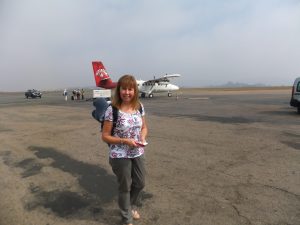
Catching an internal flight from Antananarivo (“Tana”) to Toamasina
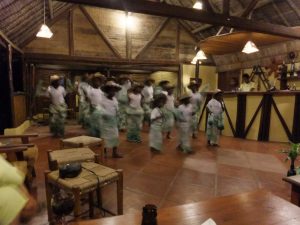
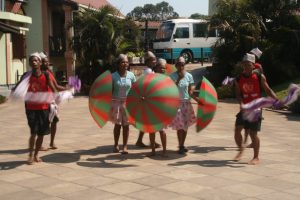
Local dancers at the Palmarium reserve
Michelle trying it out
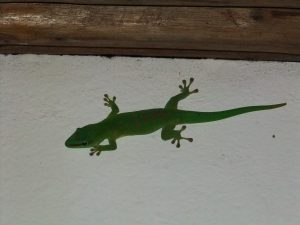
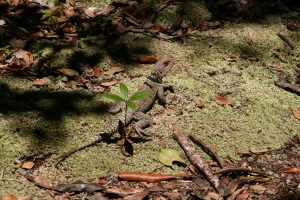
Friendly Gecko in our bathroom
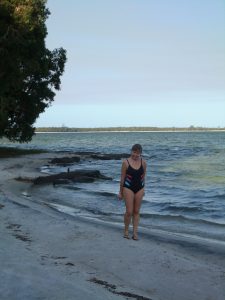
A quick dip in the sea
My 50th birthday fell on this trip. Michelle and the tour company had organised a surprise for me. I don’t know how they managed to get the ingredients for this cake at our hotel in the middle of nowhere. It was hours away from anywhere on deep-rutted, muddy, potholed “roads”.
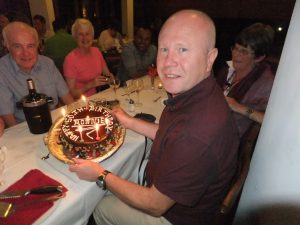
Amazing chocolate cake
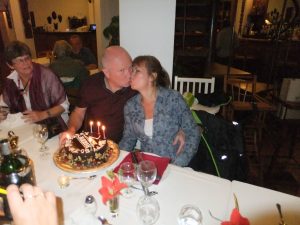
Awww
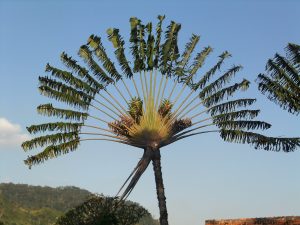
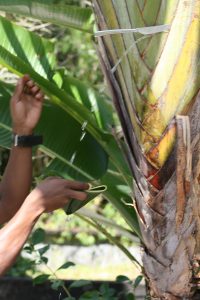
Traveller’s Palm
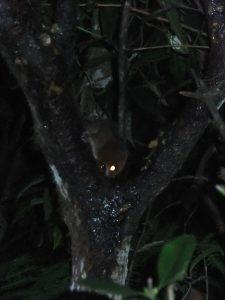
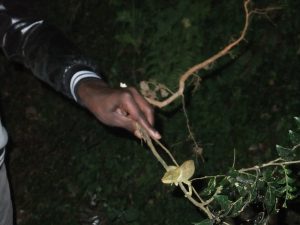
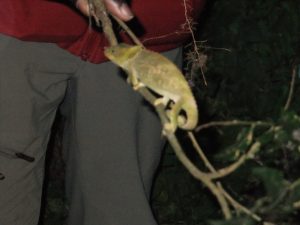
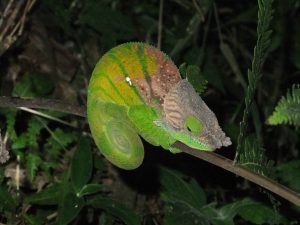
We went on a guided night walk to see some of the many nocturnal animals.
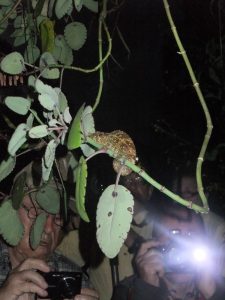
Chameleon
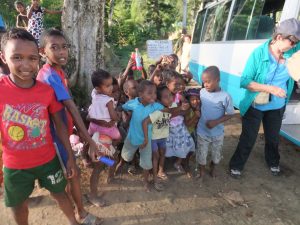
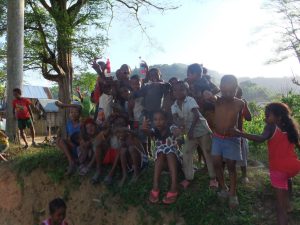
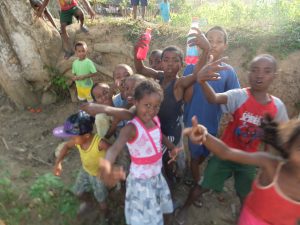
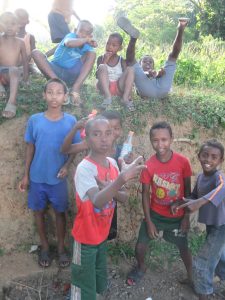
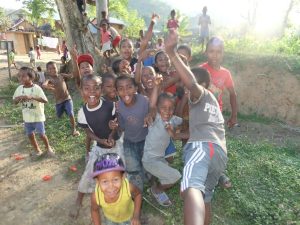
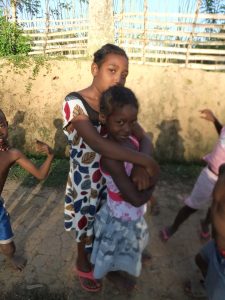
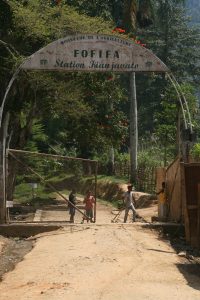
We visited Kianjavato Lemur project and met the local kids in the village. They all wanted to pose for photos and loved seeing themselves on the camera screen.
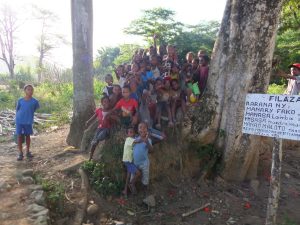
Some of the group, including Ronnie, handed out pens to the kids. One of the local elders organised the kids to queue up to get sweets from Ronnie, who they christened “Monsieur Bonbon”.
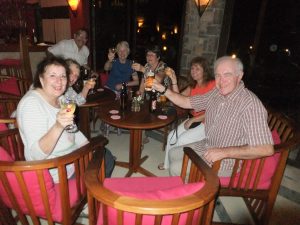
Group dinner
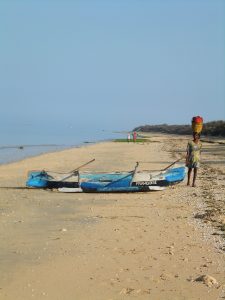
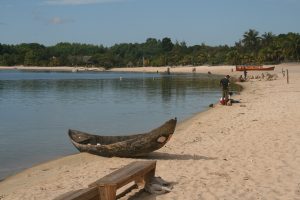
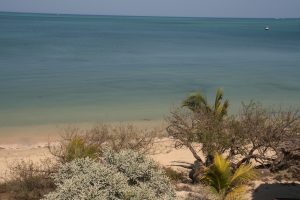
The beach at Ifaty on the West coast. The next land is Mozambique.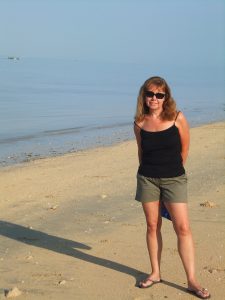
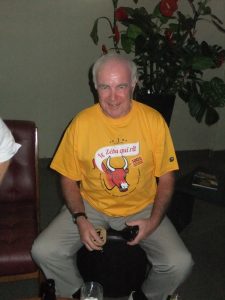
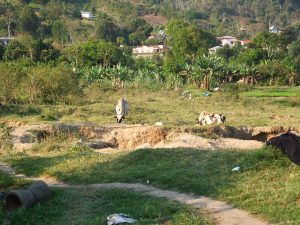
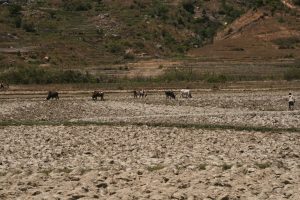
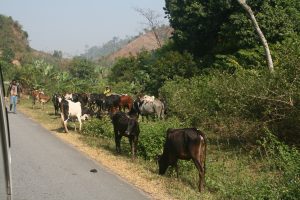
The main local beef cattle are Zebu which have a hump on their back. The normal french expression is “La Vache qui rit”, so hence the joke on the T-shirt.
We left to follow the Pangalanes canal from Manambato on Lake Rasoabe.
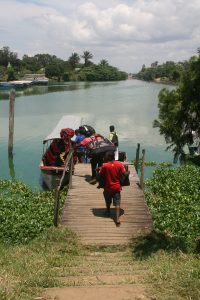
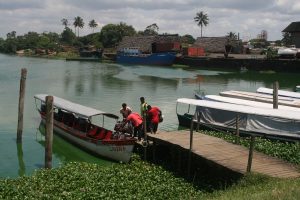
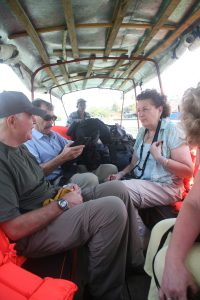
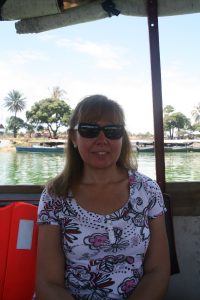
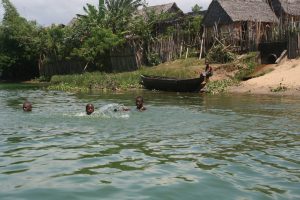
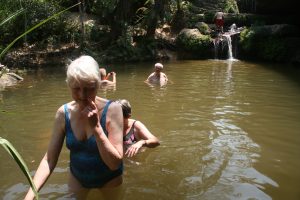
Local kids swimming
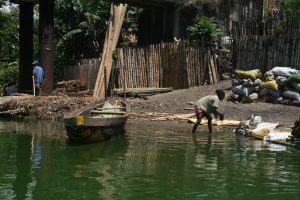
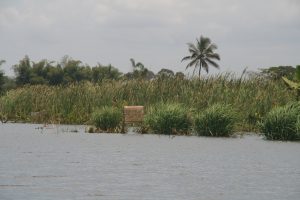
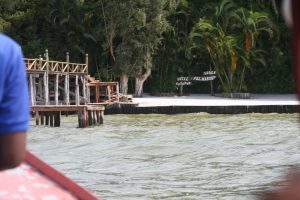
Arriving at the Palmarium Reserve
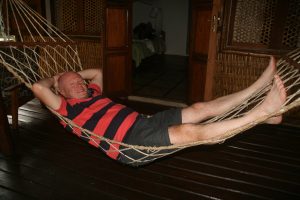
Chilling
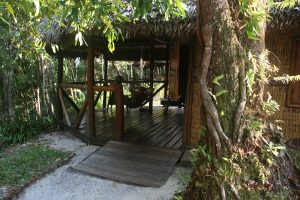
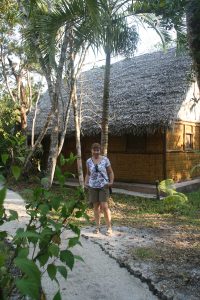
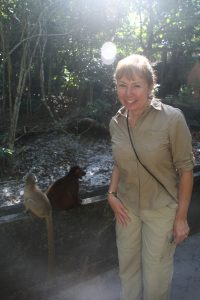
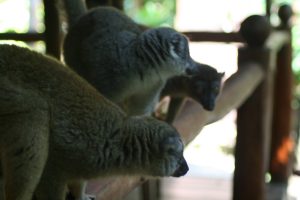
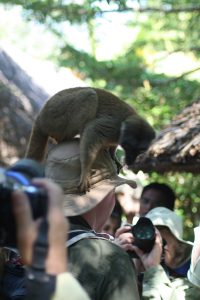
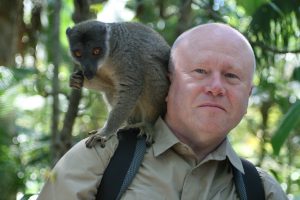
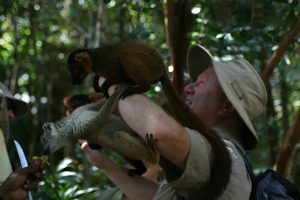
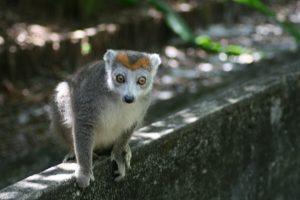
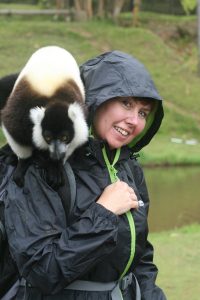
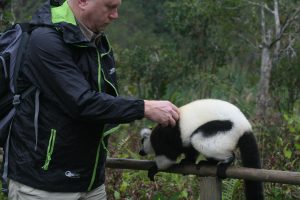
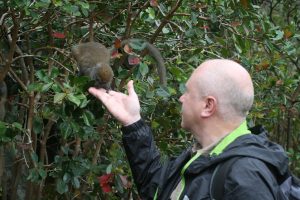
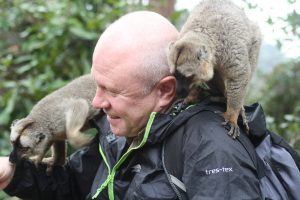
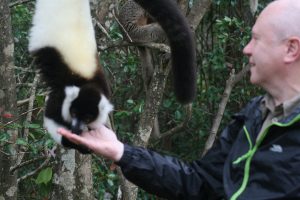
The Palmarium is set in the forest. There is lots of semi-tame wildlife who live freely in the forest but visit the residents for some food.
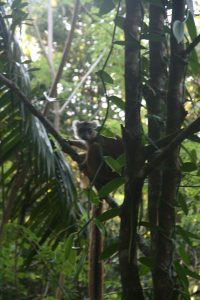
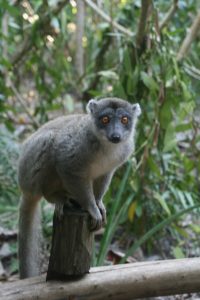


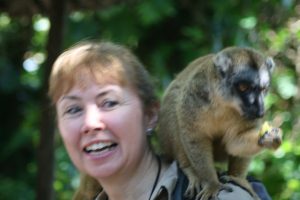
Very gentle
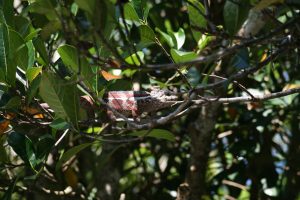
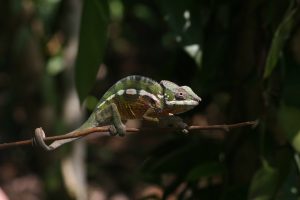
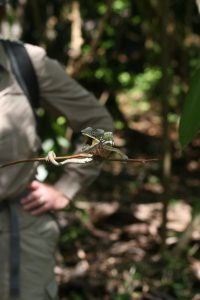
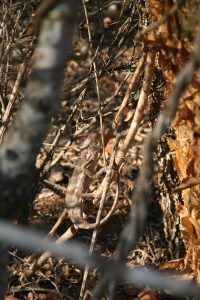
Chameleon
Madagascar is home to half of the world’s 150 species of chameleons.
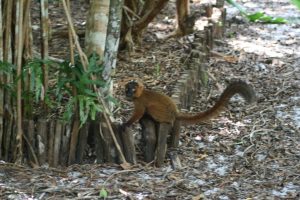
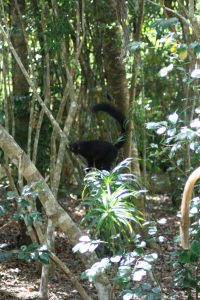

The lemurs are mostly very gentle. They take the food carefully from your fingers without scratching. Their fingers are very soft – like velvet.
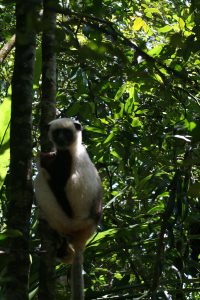
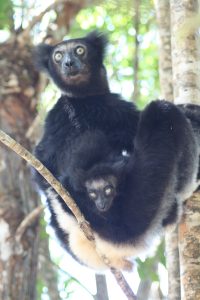
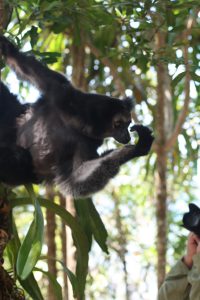
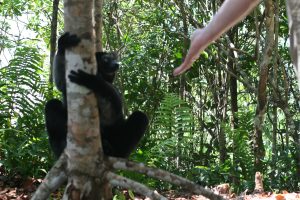
Indri lemur
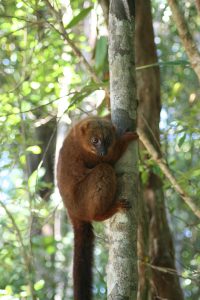
Welsh dragon lemur
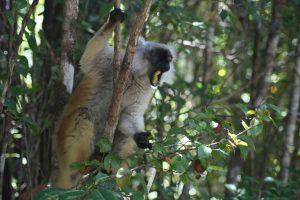
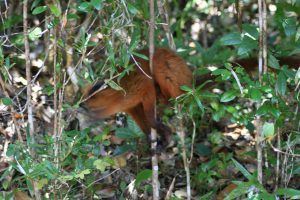
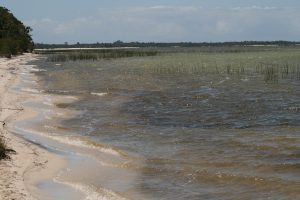
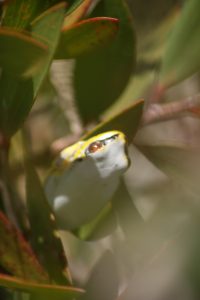
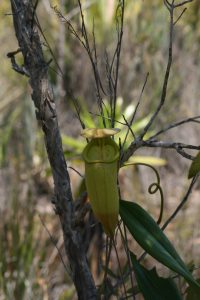
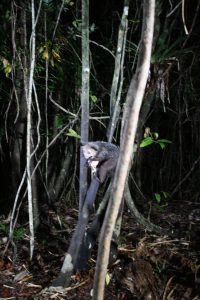
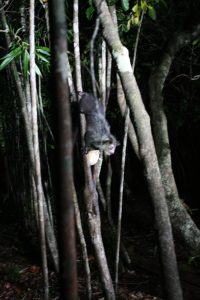
We took another night walk to see the nocturnal, and very elusive aye-aye. It has a long middle finger for poking into holes in trees to pull-out grubs. You can see why the locals consider it to be a harbinger of evil.
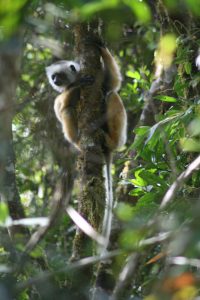
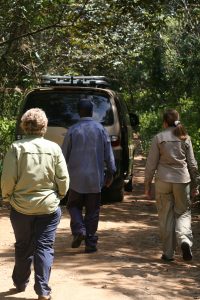
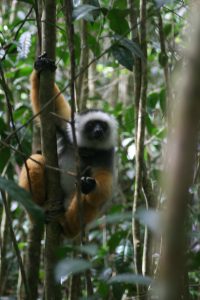
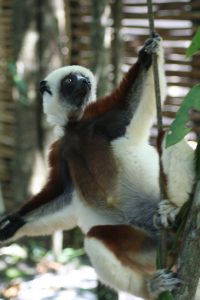
Diademed (“Golden”) Sifaka
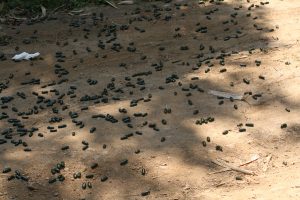
Lots of insects
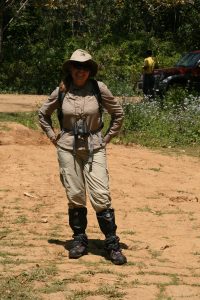
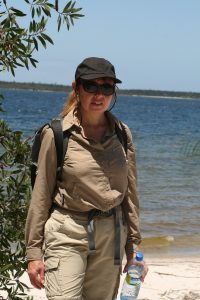
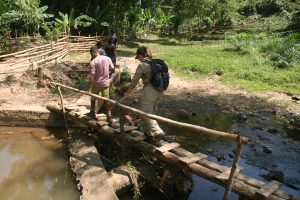
Explorer
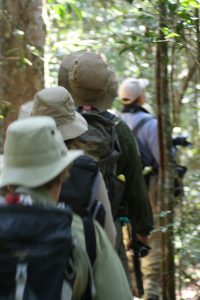
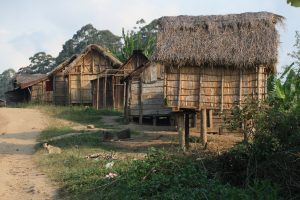
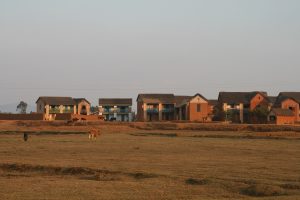
Villagers huts
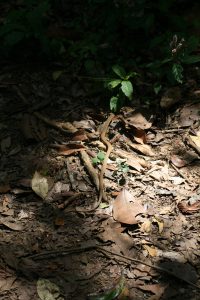
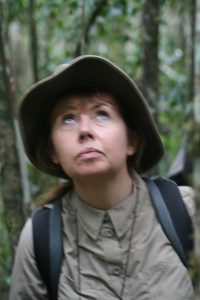
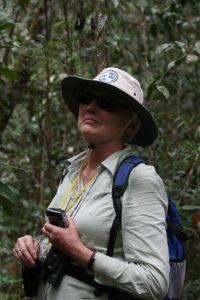
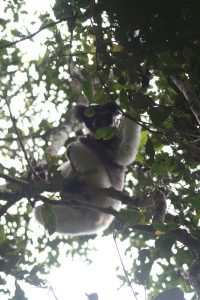
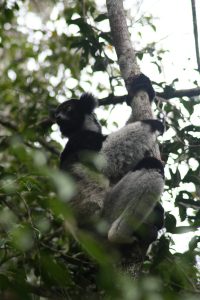


Indri family
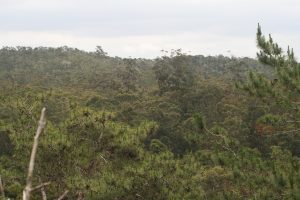
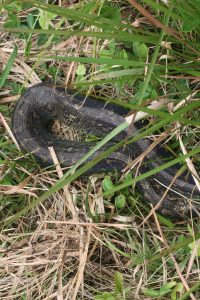
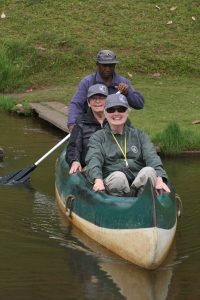
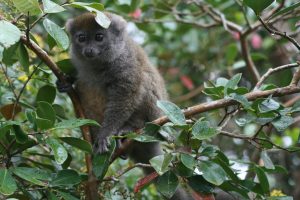
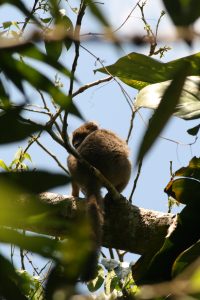
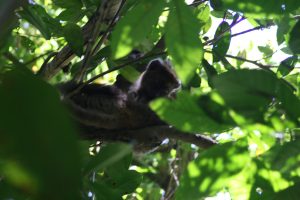
Bamboo lemur

The fossa is extremely rare, and we only saw one, unfortunately in captivity. It has separately evolved cat-like features, but is most closely related to a mongoose.
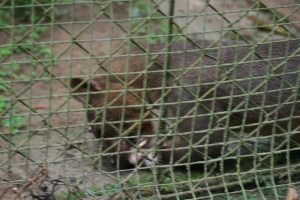
Fossa
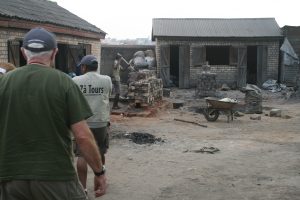
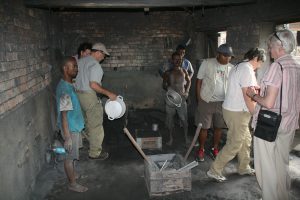
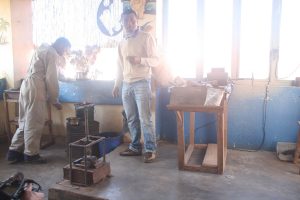
We visited a local factory which manufactures aluminium pots.
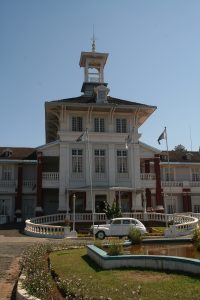

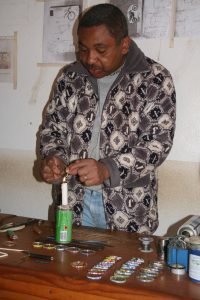
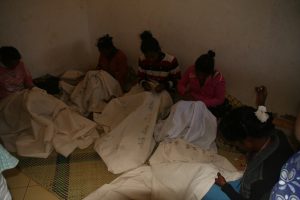
We visited some craft shops.
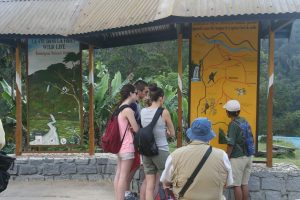
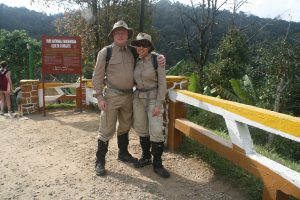
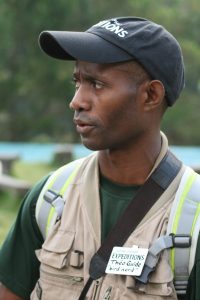
Mr. “Bird Nerd” our guide who worked with David Attenborough.
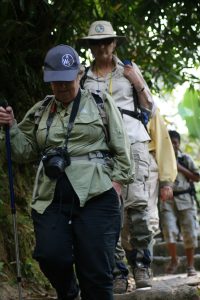
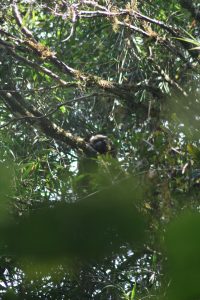
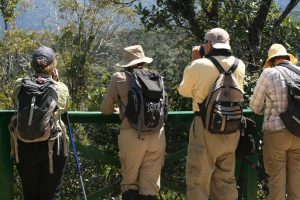
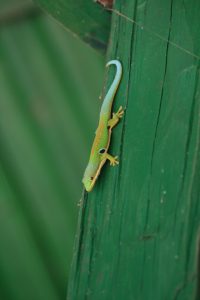
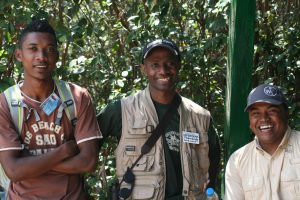

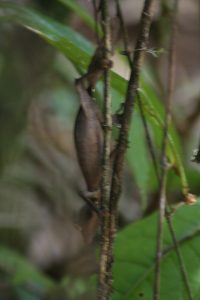
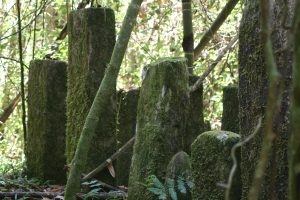
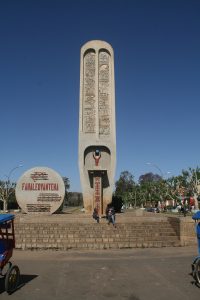
A traditional graveyard

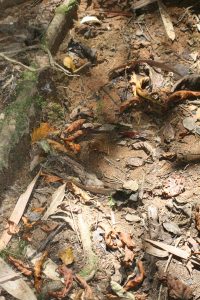
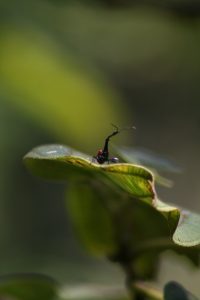
Scorpion
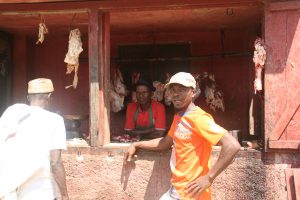
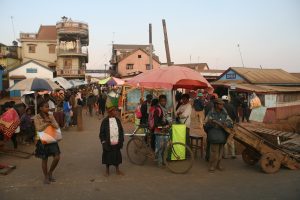
The butchers shop

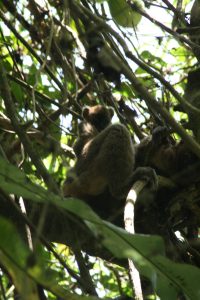
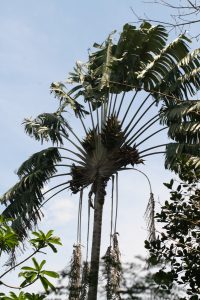
It’s called the Traveller’s Palm. Water collects between the leaves and has refreshed many thirsty travellers.
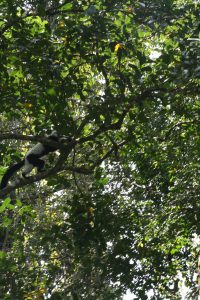
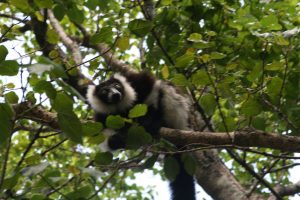


Ring-tailed lemurs
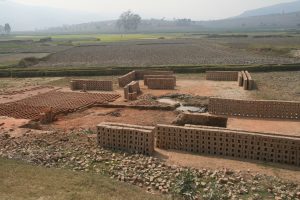
Brick factory

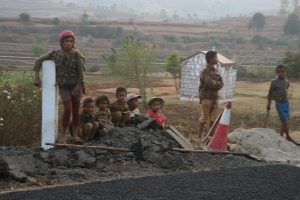
Child labour?
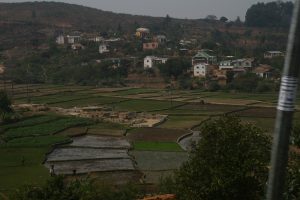
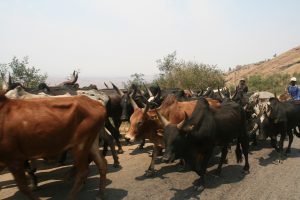
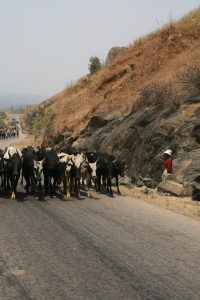
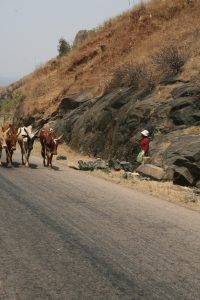
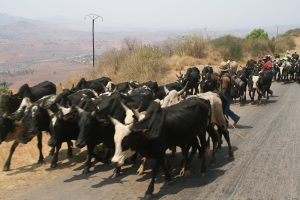
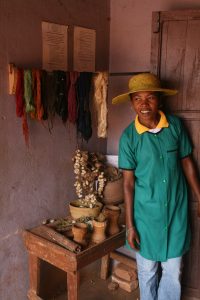
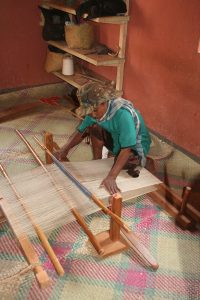
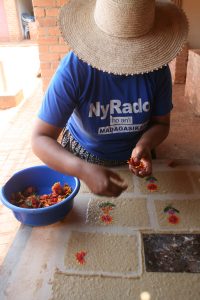
We visited another craft “village”.
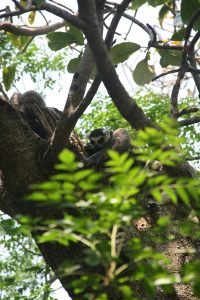
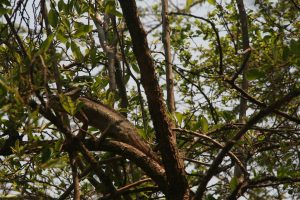
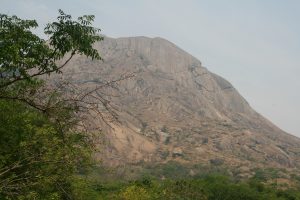
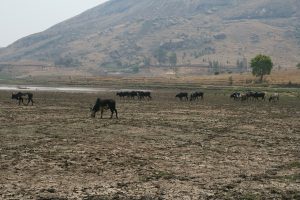
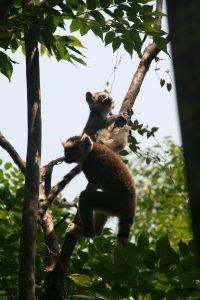

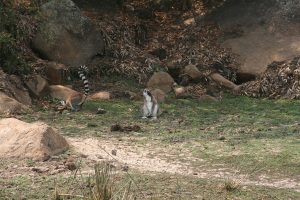
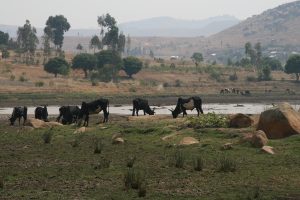
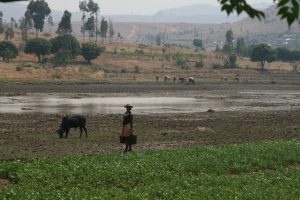
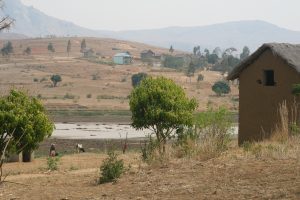
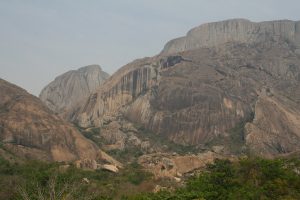
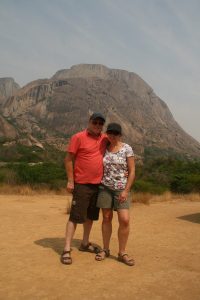
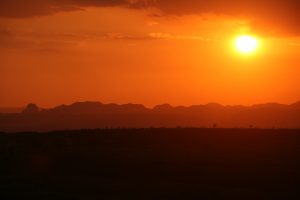
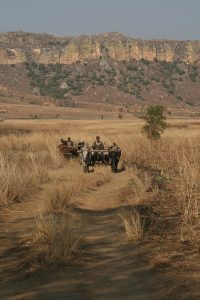
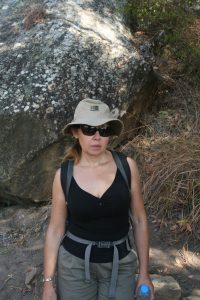
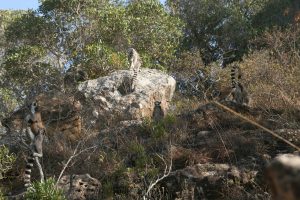
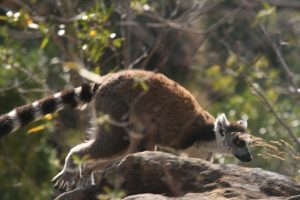
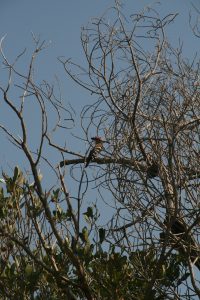
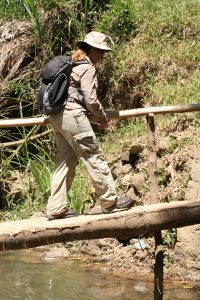
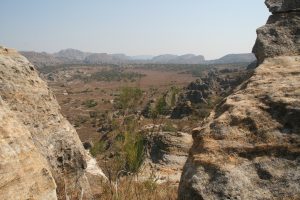
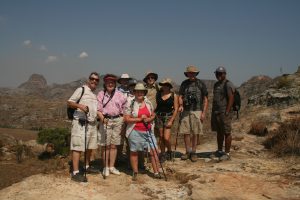
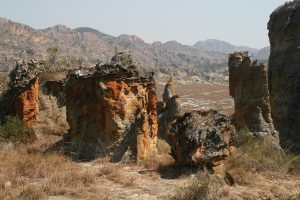
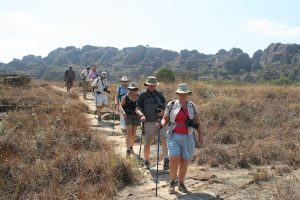
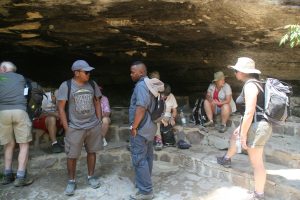
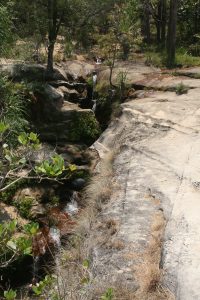
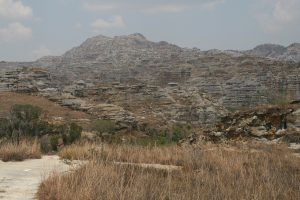
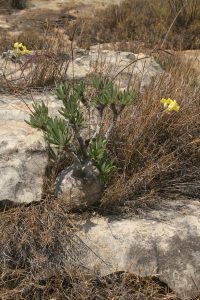
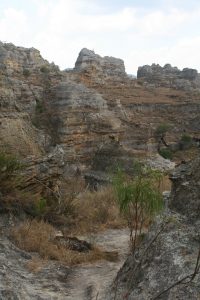
We took a hike in Isaola National Park. There are lightning-resistant trees which go black but then recover. At the top, we got caught in a lightning storm and our guides were very keen to quickly extract their non-lightning-resistant humans down to safer ground.
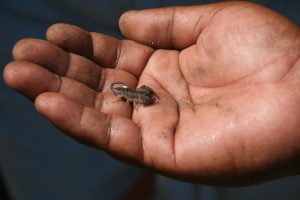
Scorpion
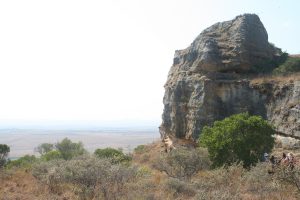
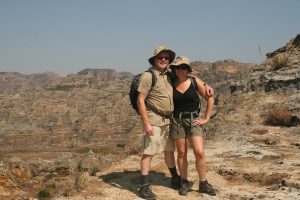
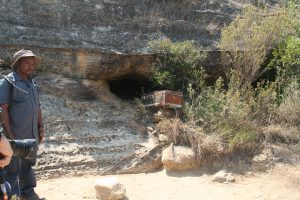
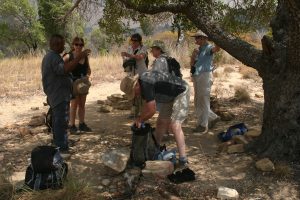
Welcome shade
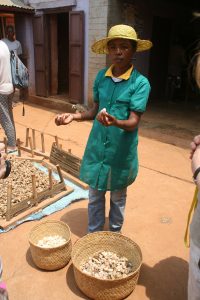
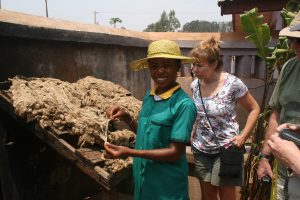
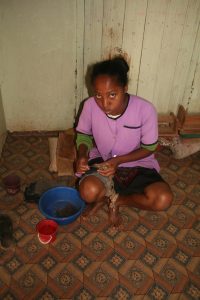
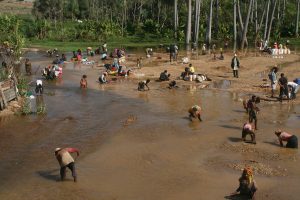
There is a big, manual sapphire industry.
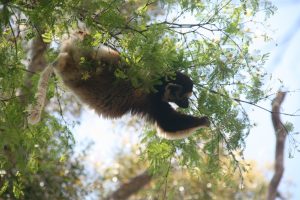
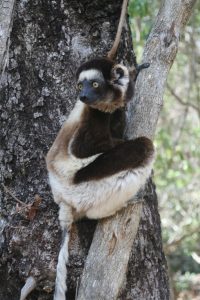
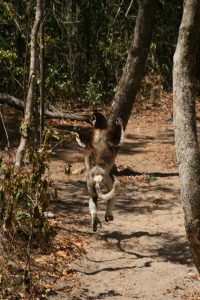
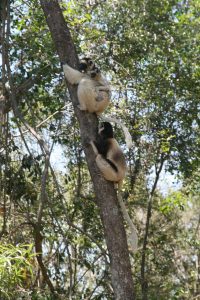
We were incredibly lucky to see a “Dancing” Sifaka. Our guides also seemed genuinely excited to see this.


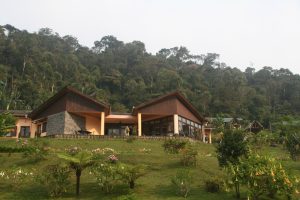
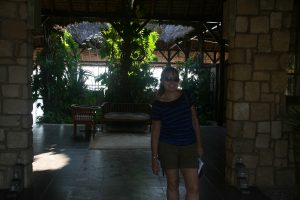
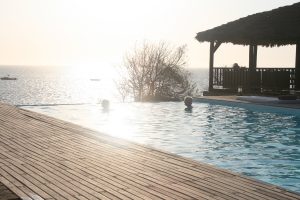
We had a bit of luxury at the end in Paradise Hotel, Ifaty.

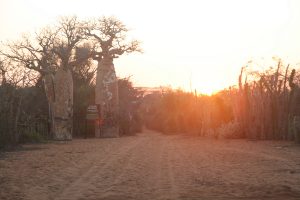
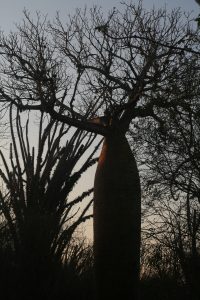
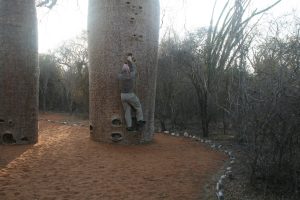
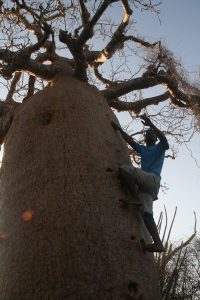
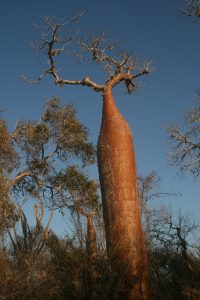
We visited the Spiny forest to see the Baobab trees.

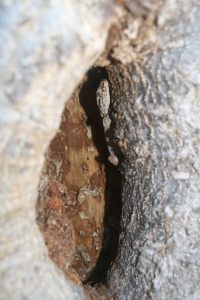

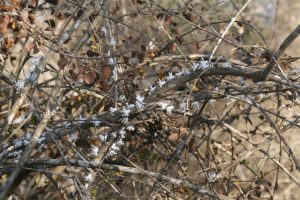
The white things are a procession of very strange insects
We were very privileged to visit Madagascar, and saw amazing, unique wildlife and managed to tick off many of the lemur species.