After the funeral, Michelle wanted to get away for a quiet break so we booked a cheap flight to Valencia.
Valencia has a great climate. The average temperature is 23 °C. Even in January, the temperature is 17 °C. That’s a good summer day in Scotland! It only rains 44 days a year. Scotland manages that in June.
The plain around Valencia is one of the most fertile areas in Europe. They can grow 3-4 crops a year of rice, sweetcorn, oranges, etc. using the irrigation system of canals brought by the Muslims. The Muslims, in turn, were taught canal building by the Chinese.
Paella originated here, not as a seafood dish, but using rice from the paddies combined with rabbit, chicken, and beans.
The first night we stayed in a charming medieval fortress town in the mountains called Morella. It’s very well preserved and there is a 2.5km long wall with seven entrance towers.
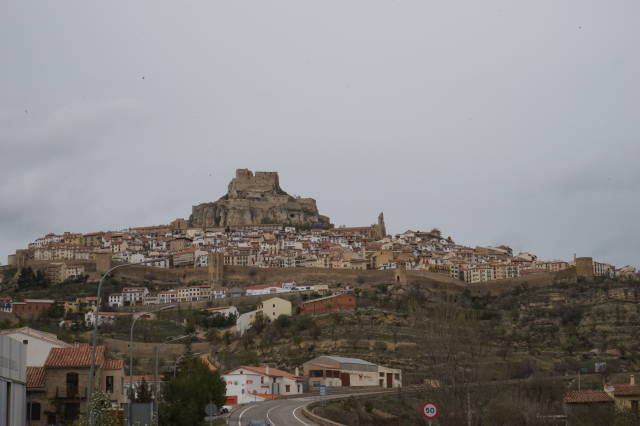 Morella
This area swapped hands between the Moors and Christians many times and the Moors legacy is easily seen in the people and culture.
Every six years they have a big festival called Sexenni. It’s been going for over 350 years. The Virgin was credited with ending 20 years of plague and the inhabitants promised to show gratitude by holding a nine-day festival every six years. A prize for anyone who can work out why six years? The 54th Sexenni is on this year in August. We visited in April – bad timing.
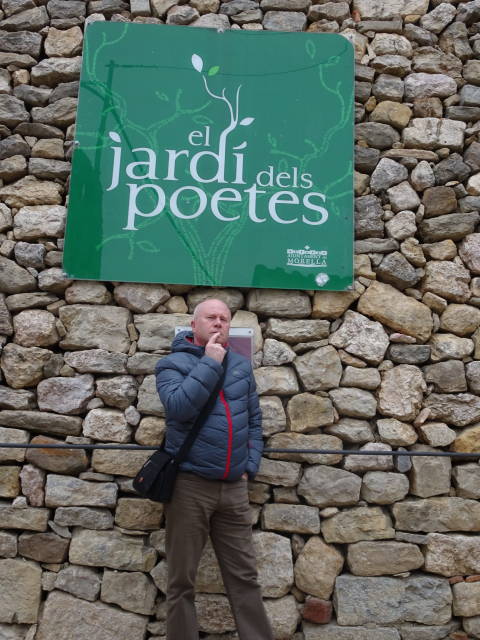
Mmm… Do I belong here?
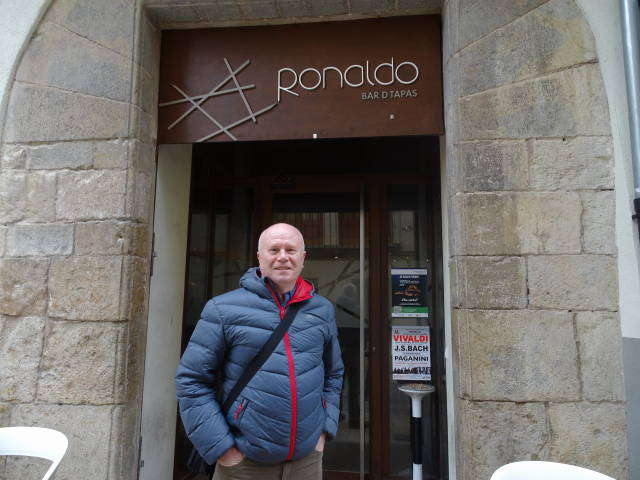
I do belong here!
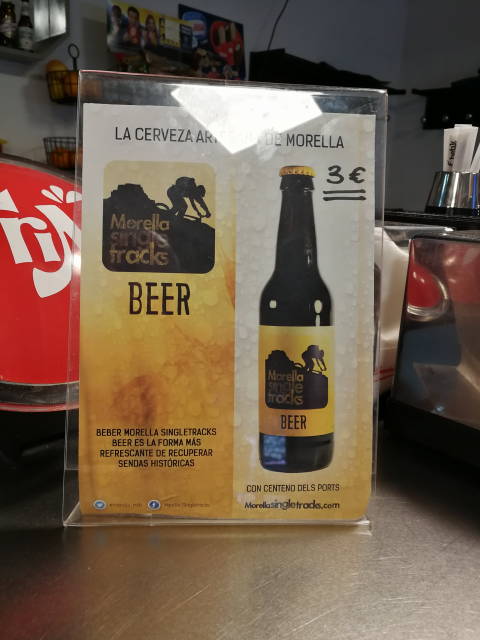
Isotonic sports drink for cyclists
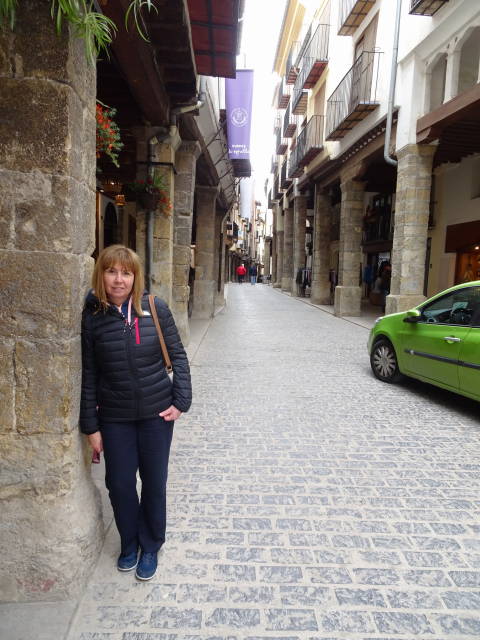
Old town streets
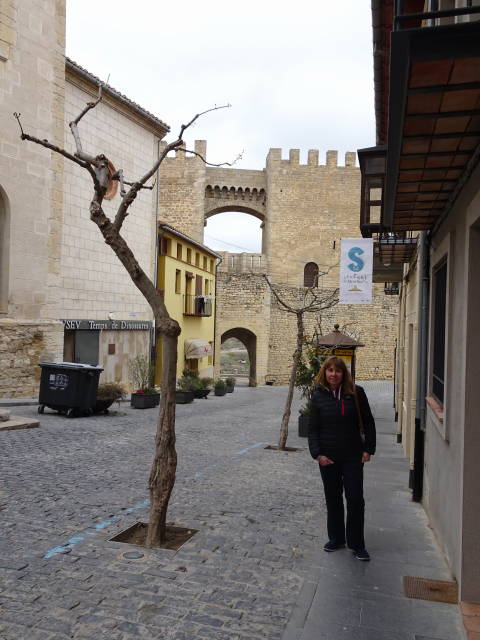
One of the seven entrance gates
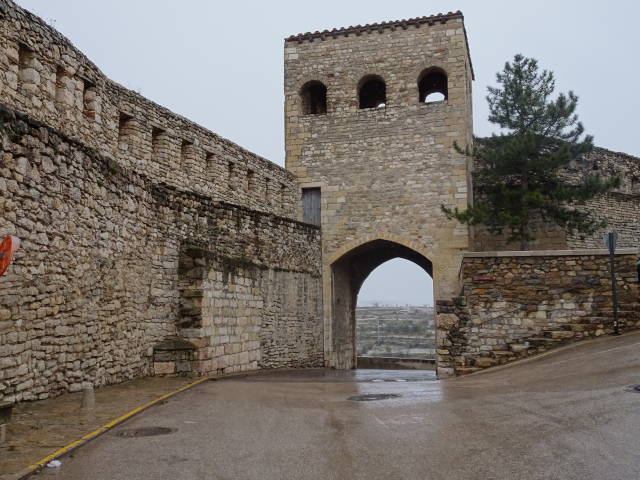
Another of the seven entrance gates. Don’t worry – I’m not going to show you all seven.
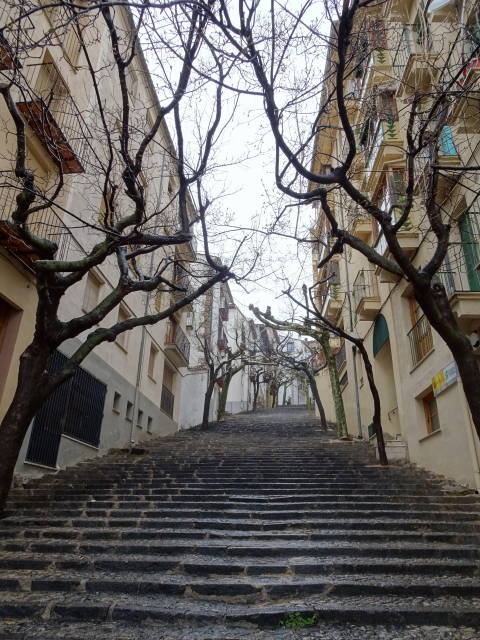
Lots of flights of stairs leading up to the castle.
After Morella, we visited a few other medieval towns. Ares del Maestre, Vilafamés, and Chóvar. They follow the common theme of a castle on the top of a hill with the village perched on the side.
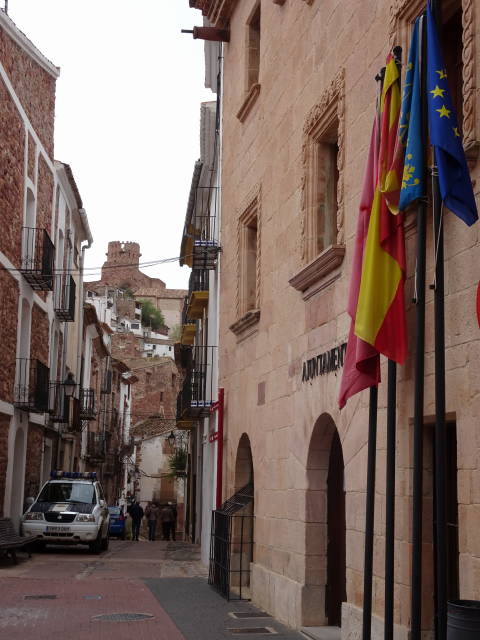
Vilafamés
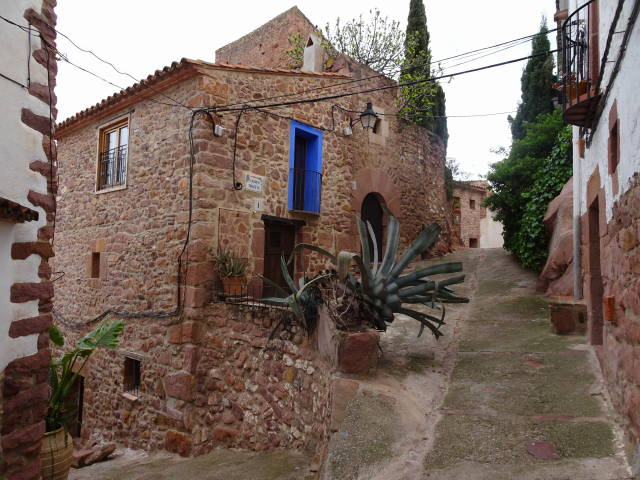
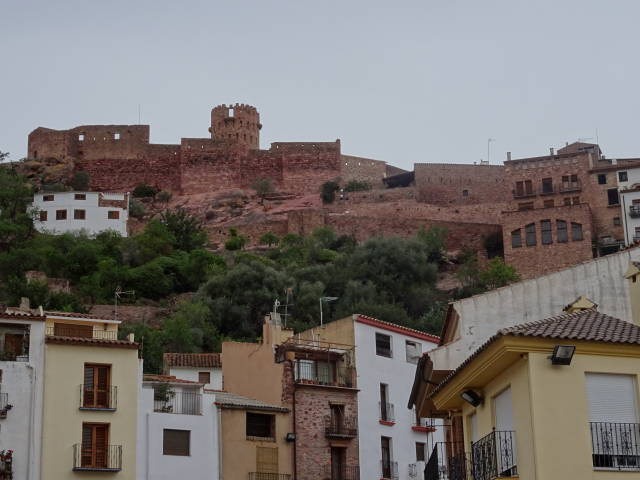
On the way we drove through Onda which is famous for its ceramics produced by the many huge factories there. Ceramics is another legacy of the Moors.
Ceramics was big in the region because rather than covering walls in tapestries for warmth, tiles were all that was needed here.
And then we moved on to Valencia for two nights.
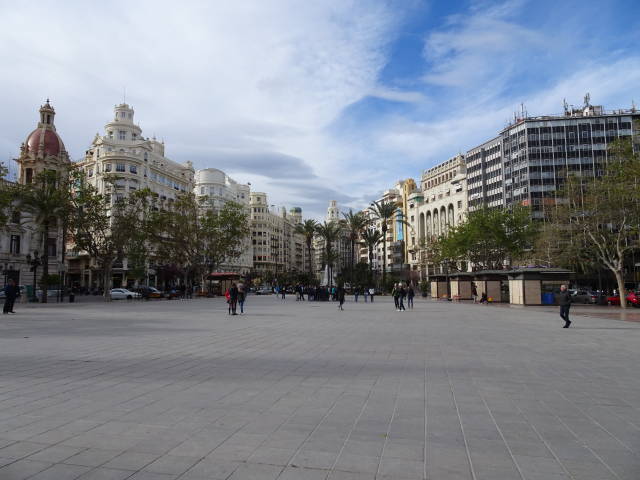
One of the plazas and historical buildings.
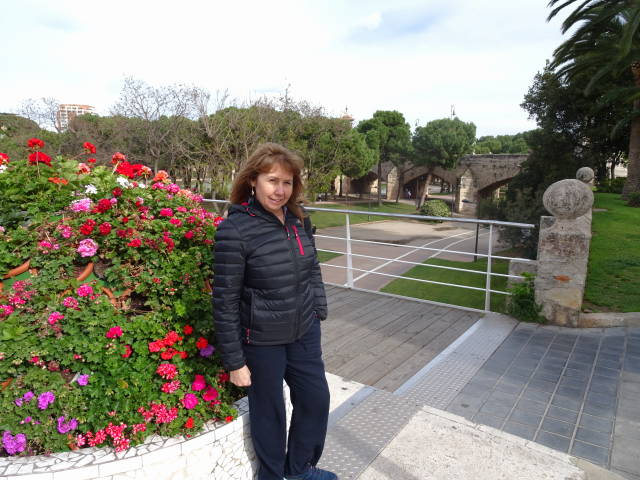
An old bridge – now with no water. Valencia has a wonderful park running through the middle. There are bridges crossing over it and it turns out it was originally a river. After 60% of the city was flooded when the river burst its banks in 1957, they decided to re-route the river. The town planners wanted to replace it with a motorway, but the residents protested and it became a green space instead for recreation.
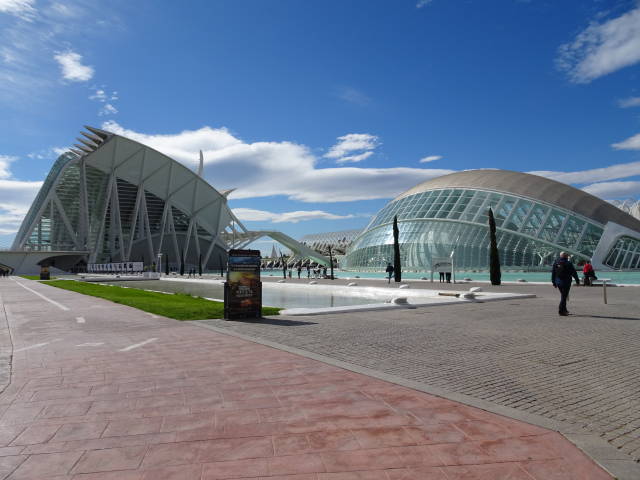
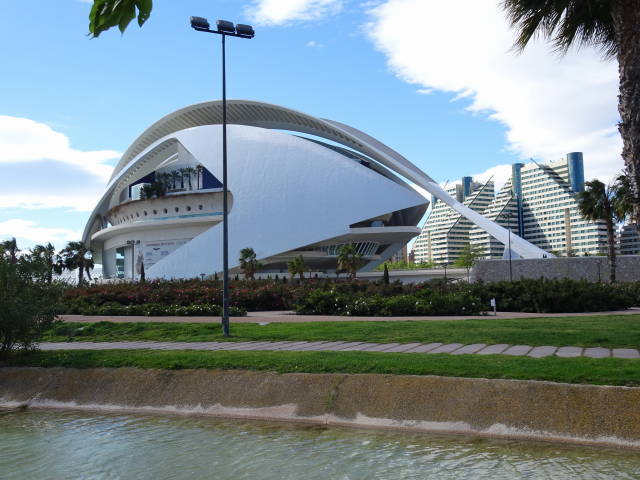
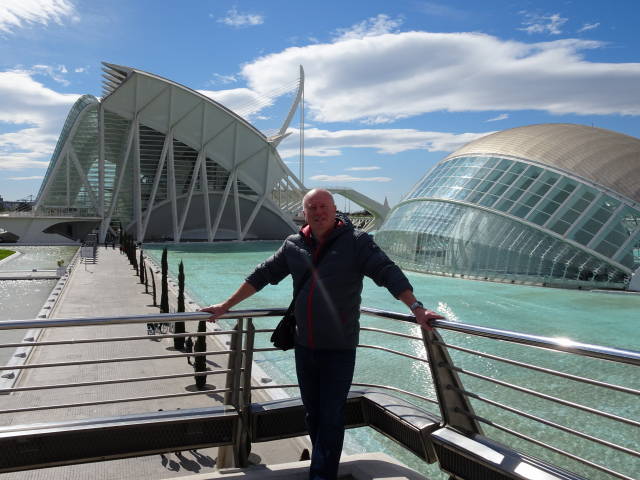
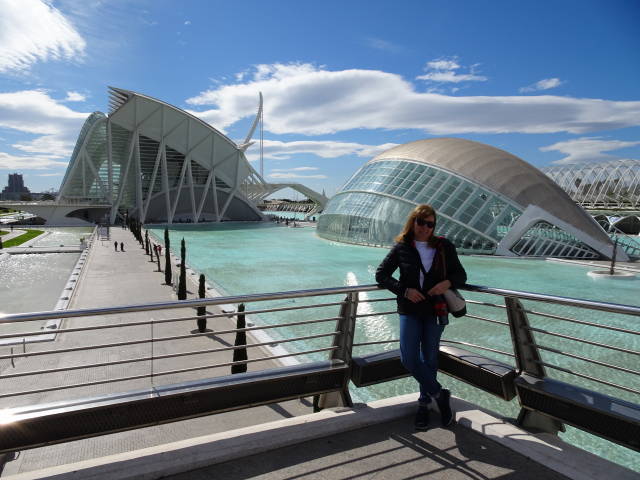
The Arts and Sciences buildings are built in the park.
Impressive architecture.
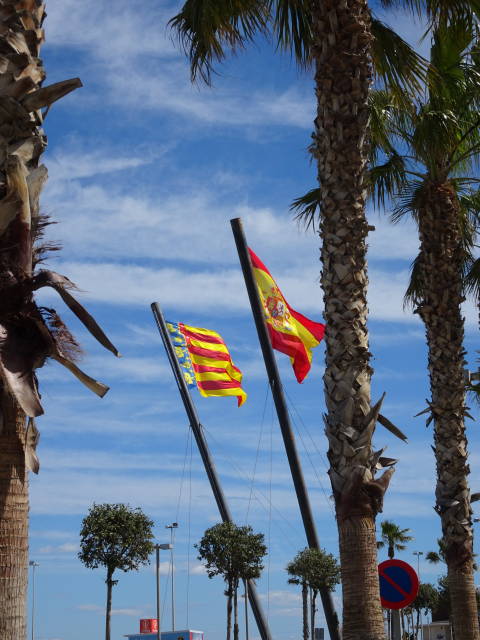
Different types of trees.
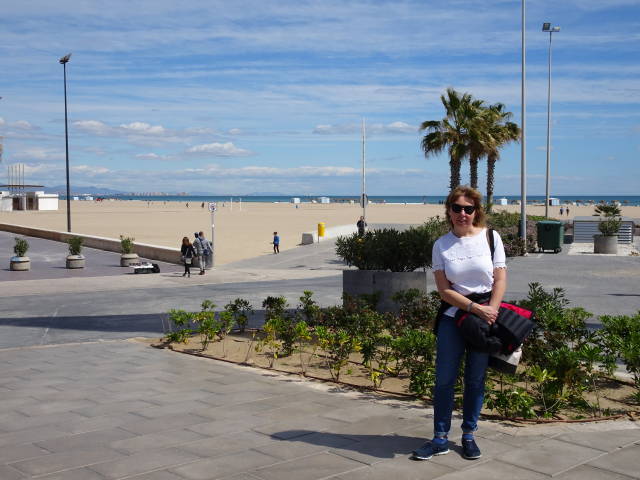
The beach at Valencia.
After Valencia, we headed to Xàtiva on route to Dénia on the coast for some R&R.
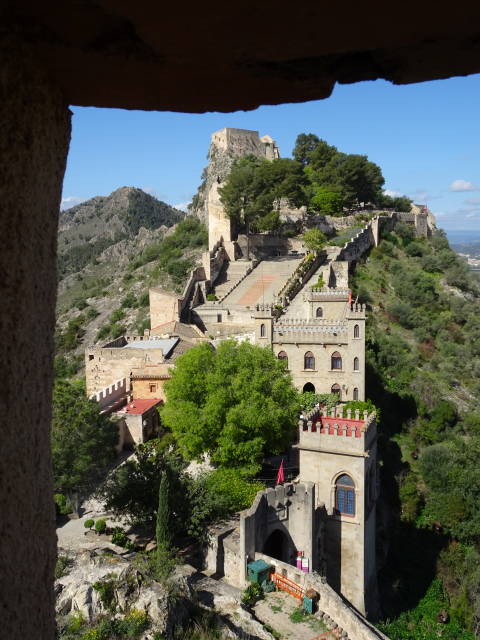
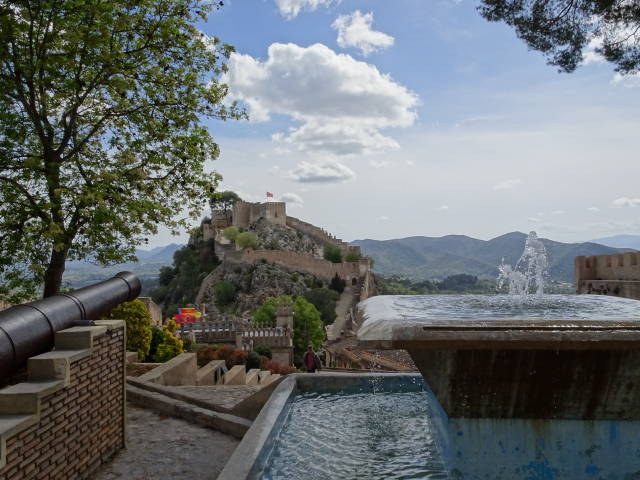
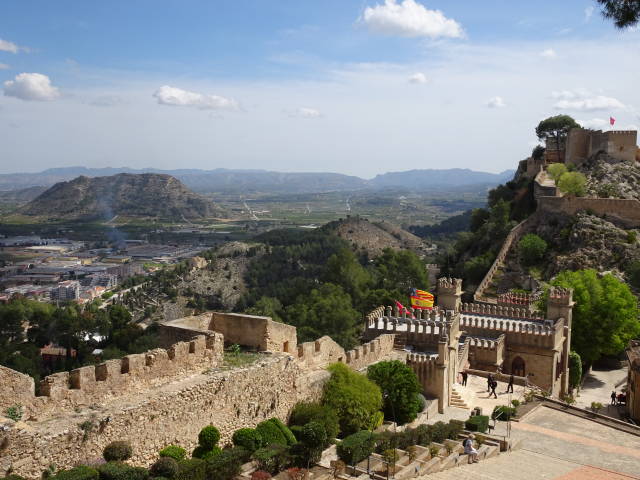
Xàtiva has an interesting fortress on the top of the hill. Apparently it wasn’t very effective though as it was stormed and destroyed many times.
When we arrived in Dénia, we found a wonderful hotel “Los Angeles” on the beach. This is our home for 4 nights before we return to Scotland.
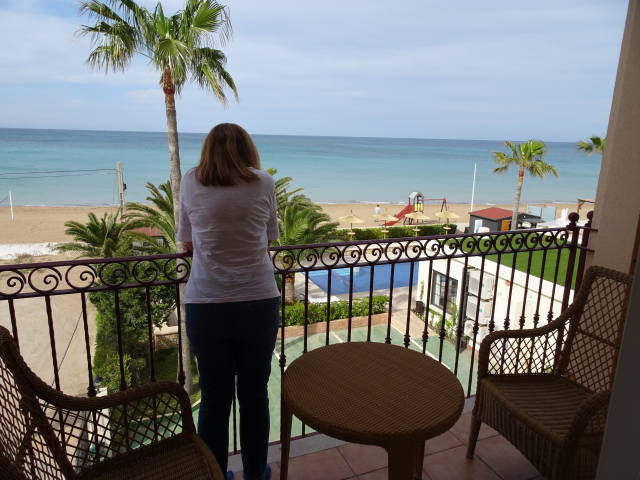
View from our balcony