Despite living in Cambridge for about 4 years, we hadn’t really visited the neighbouring counties of Suffolk (“Southern Folk”) and Norfolk (“Northern Folk”). So they definitely fitted into the Covid Staycation criteria of “places in the UK we haven’t really seen before”.
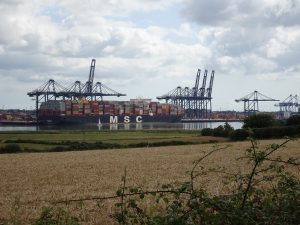
Felixstowe port
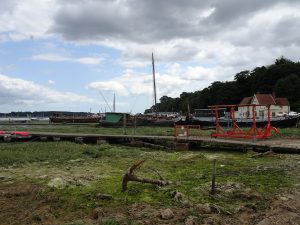
Shotley Gate
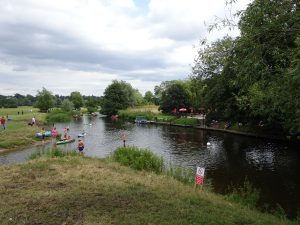
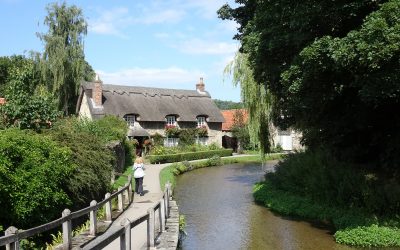
Dedham
Dedham is known as “Constable Country”. We appeared in many of the famous scenes from his paintings.
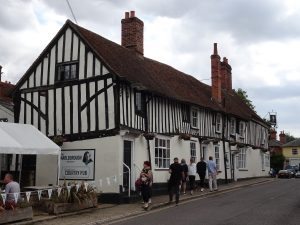
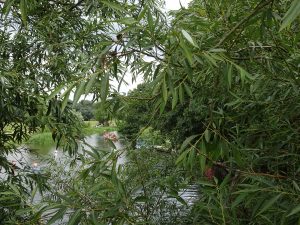
Next stop Colchester…
Colchester claims to be England’s oldest recorded town and was an important Roman city.
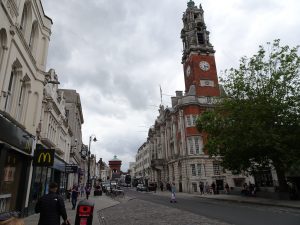
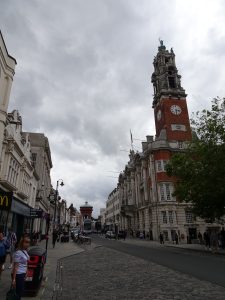
The town hall
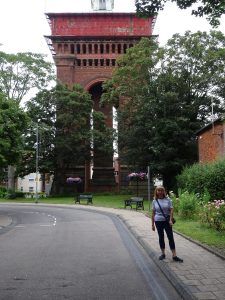
Balkerne water tower
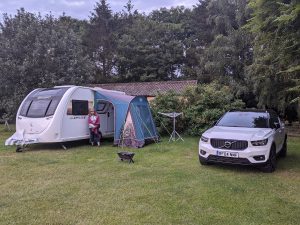
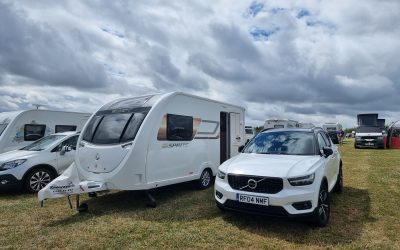
All setup on site with BBQ, awning, and clothes drier.
We stayed in CL (Certificated Location) sites. This is where, typically a farmer, can create up to 5 pitches without planning permission. The facilities are limited, but we don’t want a kids playpark anyway! We are also self-sufficient in the caravan for showers etc. All we need is water and somewhere to dump our waste. We have a solar panel for when an electric hook-up is not available, so we can go off grid for quite some time. CL sites are generally very scenic and peaceful, and much cheaper than a full site.
Thorpeness was created as a private, fantasy holiday village by Glencairn Stuart Ogilvie, a Scottish barrister who had made his money building railways around the world.
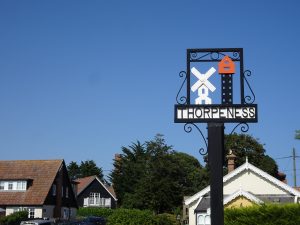
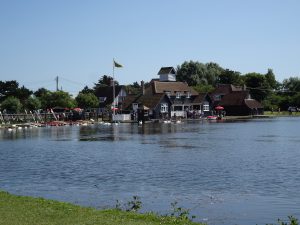
The Mere
Many of the inspirations for the Mere were from a personal friend of the Ogilvies, J.M. Barrie who wrote Peter Pan, and islands in the Mere have locations from the book. Watch out for Captain Hook and the Crocodile!
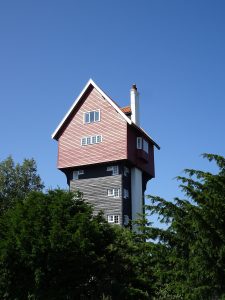
“House in the Clouds”
The “House in the Clouds” was originally a water tower, but was covered to prevent having an eyesore in the village.
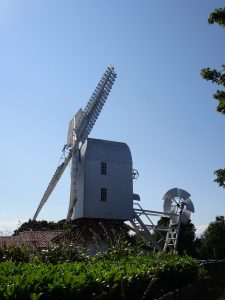
Nice windmill
Next stop was Aldeburgh.
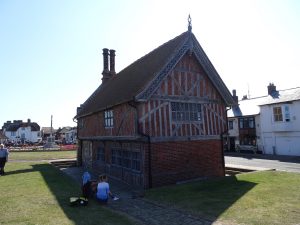
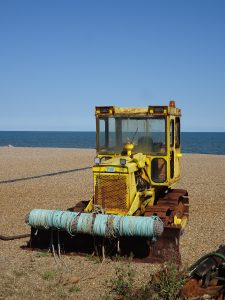
Something from Bob the Builder
From there we went on to Southwold
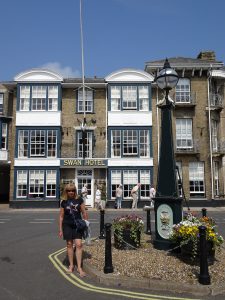
Town centre
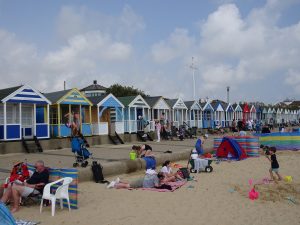
Southwold is famous for it’s colourful beach huts. They exchange hands for many 10’s of thousands of pounds.
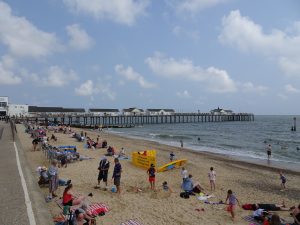
On the pier we spent ages looking for the plaque left by Michelle’s sister Donna when she got married to Paul in Southwold. After a few phone calls, we found it amongst the hundreds of others.
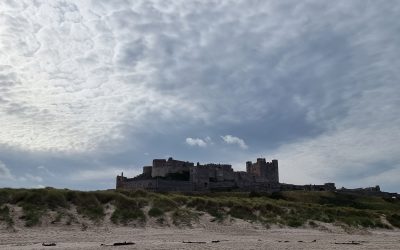
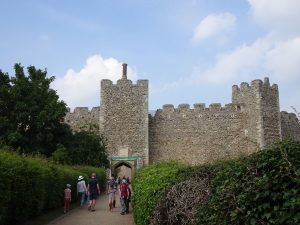
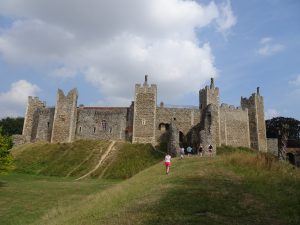
Next stop was Framlingham, famous for it’s castle.
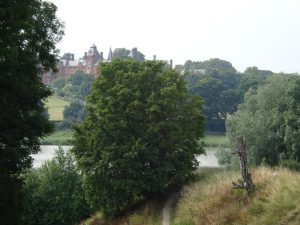
From Suffolk we moved on to the Norfolk Broads.
I persuaded Michelle to get on the bikes and we cycled to Beccles.
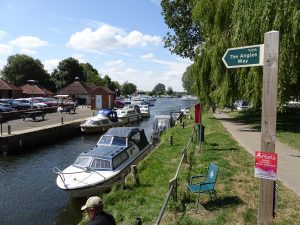
Next stop was Caister.
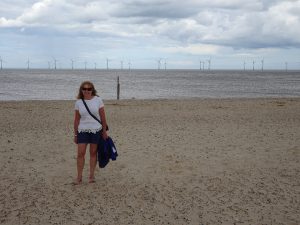
Caister-on-Sea
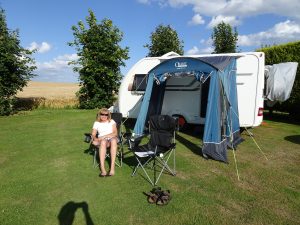
Lovely pitch
On of the nearby attractions is How hill.
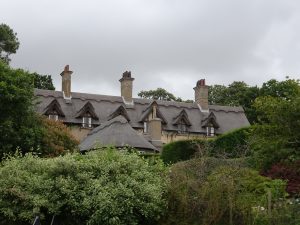
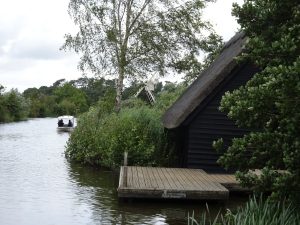
Next stop was Horning.
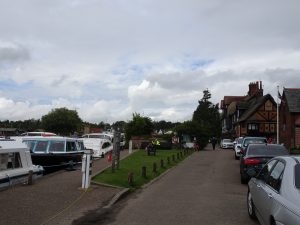
The Norfolk Broads are a series of small lakes, many connected by rivers or canals. The broads were created by man as a result of digging peat for fuel over a period of about 300 years. Pumps, originally powered by windmills, are used to maintain the low-lying water levels.
The best way to see the broads is by boat as the roads and paths aren’t really great for access.
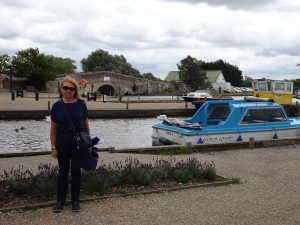
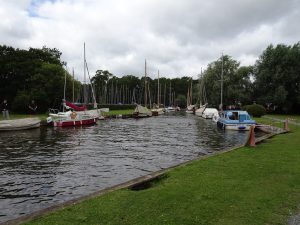
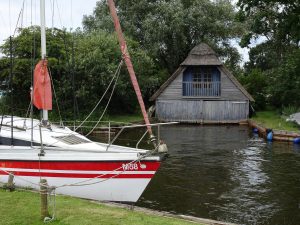
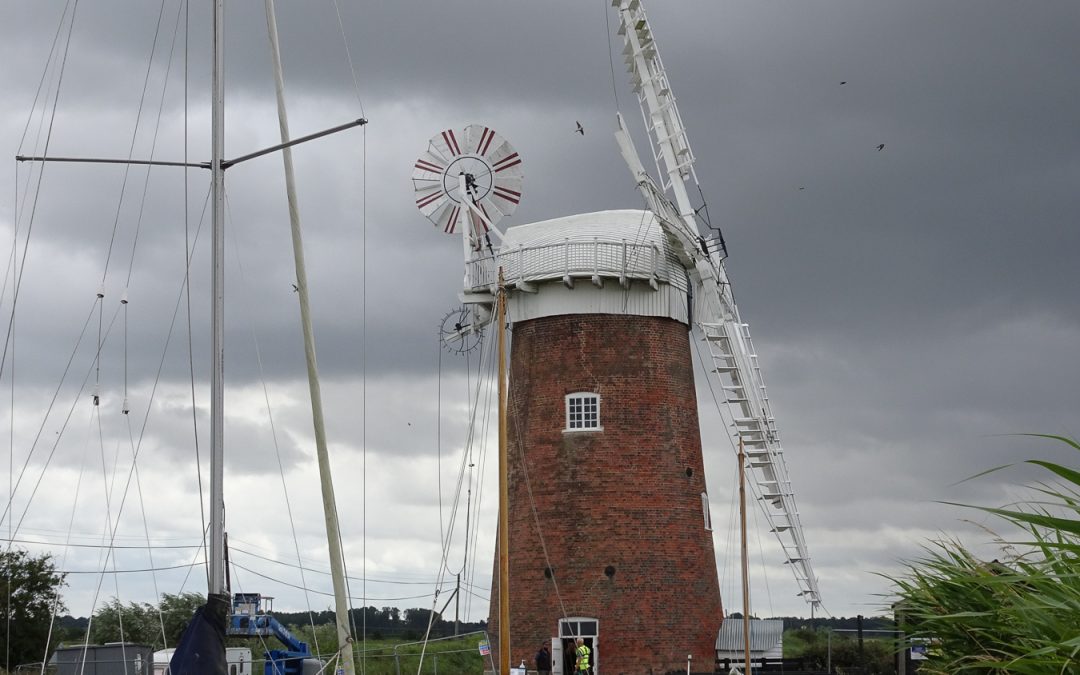
A famous attraction is Horsey Mill.
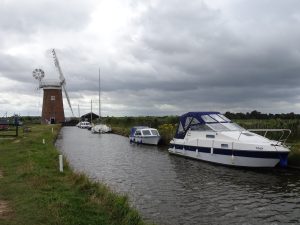
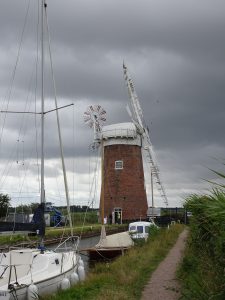
Next stop was Winterton-on-Sea.
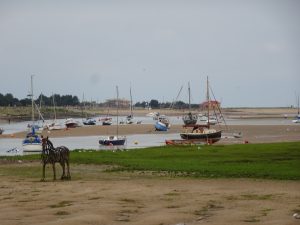
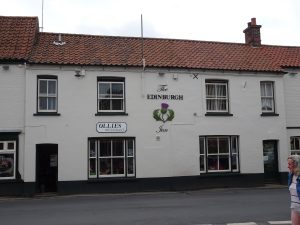
Not sure what the Edinburgh Inn is doing down here.
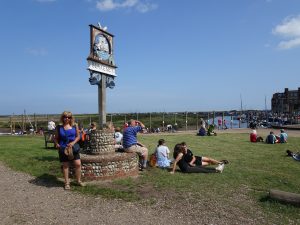
Blakeney
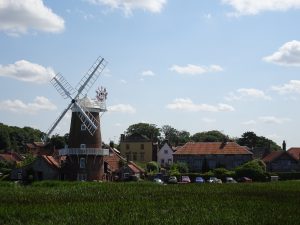
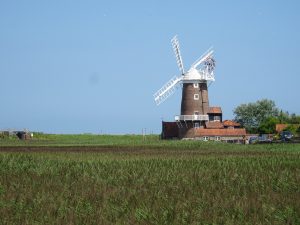
We walked from Blakeney to Cley-next-the-sea.
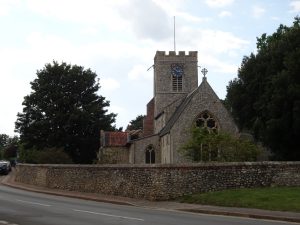
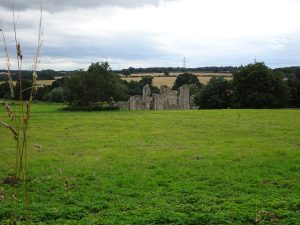
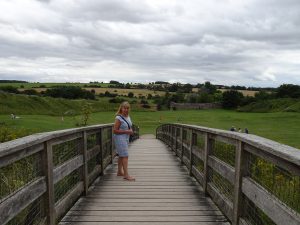
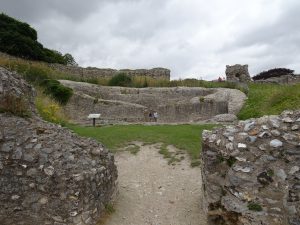
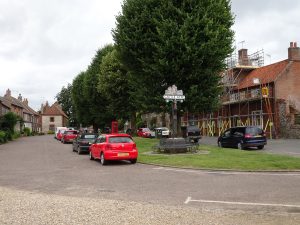
Next stop was the enigmatic village of Castle Acre.
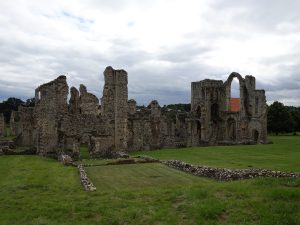
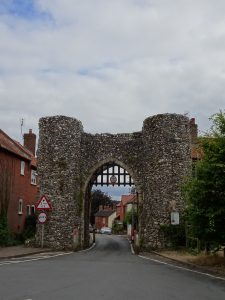
Bailey gate
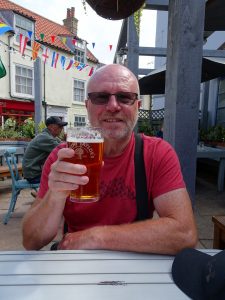
Must be time for refreshments
It would be rude not to sample the local real ales.