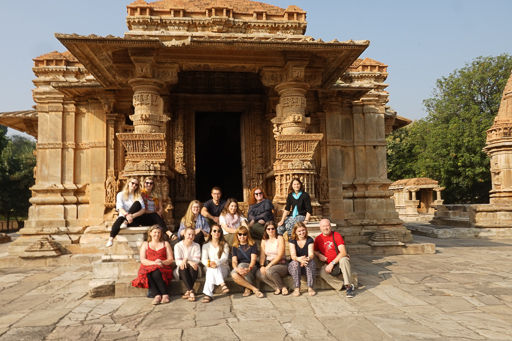
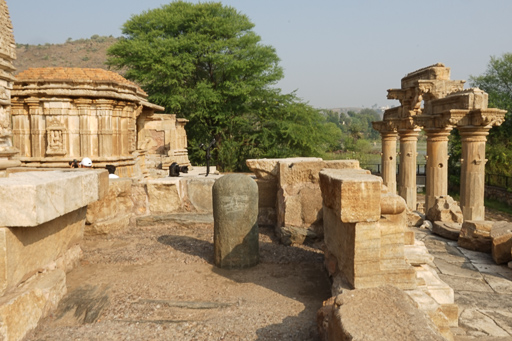
En-route to Jojawar we stopped at the Sahasra Bahu temple, Nagda. It is a very ancient ruined temple over 1,000 years old. Like all Hindu temples where the idol has been removed or destroyed, it was abandoned a long time ago.
As it is largely made of marble, it has survived remarkably well. It has been partially restored. The temple was a place for meeting and entertainment as well as ceremonies such as worship and weddings.

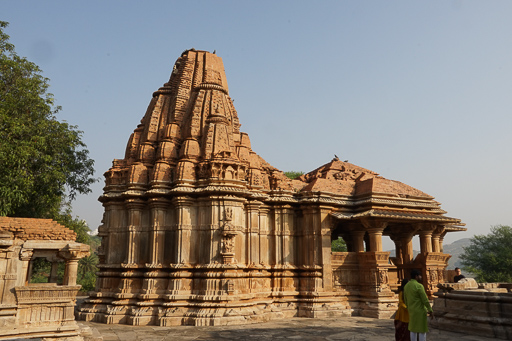
The tallest part is hollow inside and represents the womb. This is where the idol originally sat.
There is a figure shown climbing the outside of the temple tower (“mountain”) symbolising the human search for perfection which ultimately cannot be achieved.
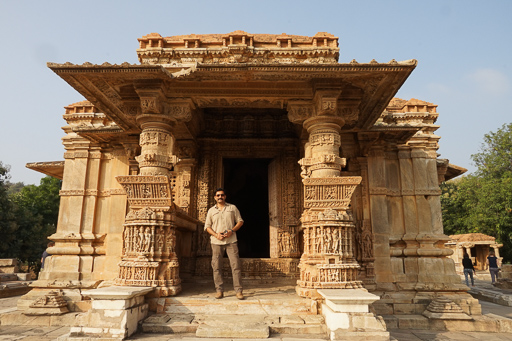

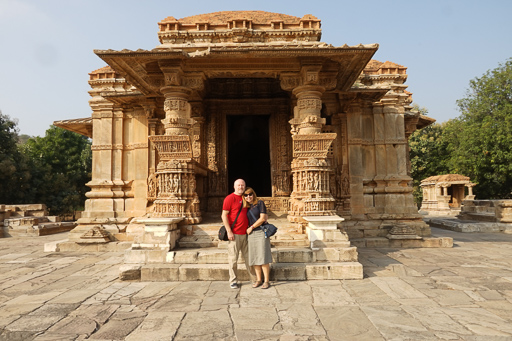
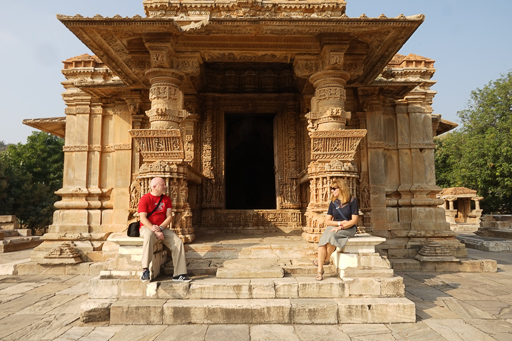
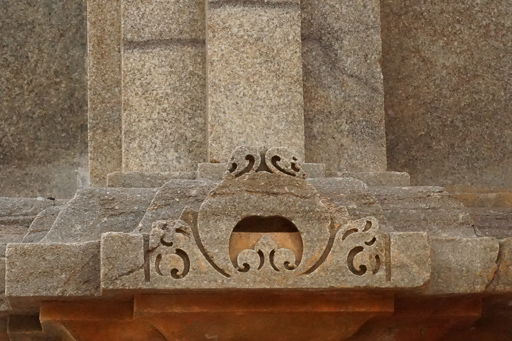
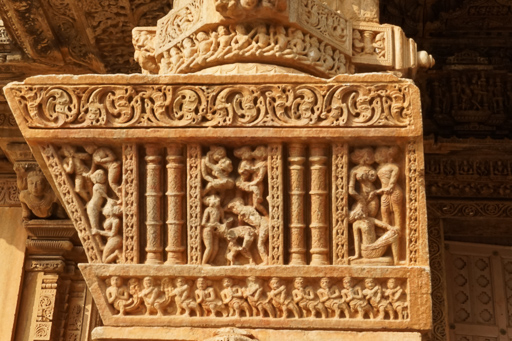
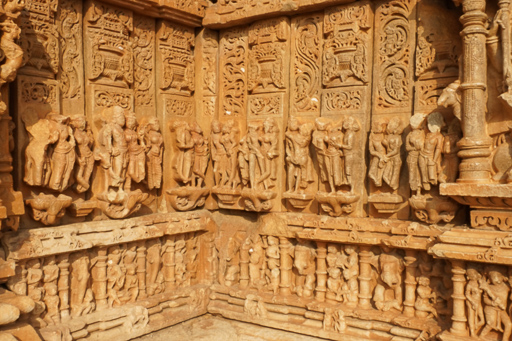
There are many symbolic carvings in the stone. This effectively provided the people with an educational book before the time when literacy and books were widely available.

There are many erotic carvings like in the Kama Sutra providing sex education.
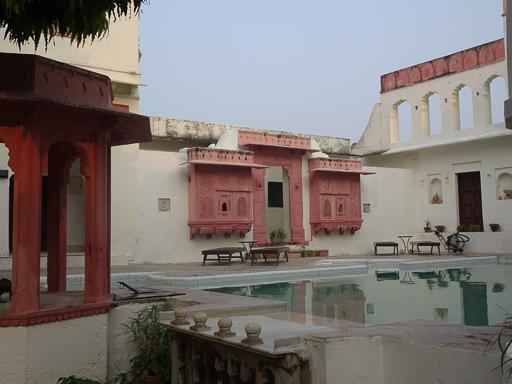
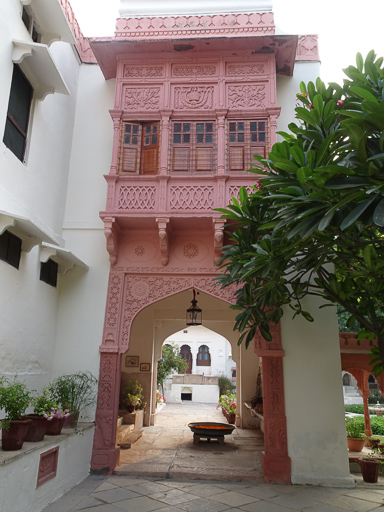
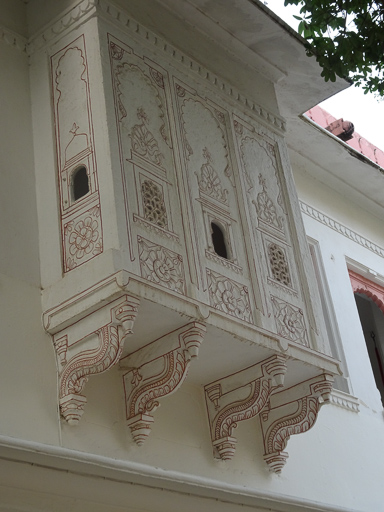
We stayed in a wonderful hotel which was previously the mansion of a rich landowner.
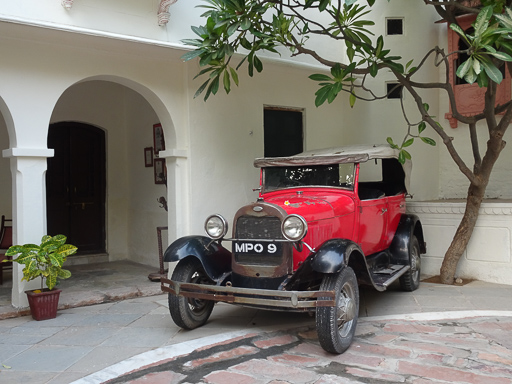
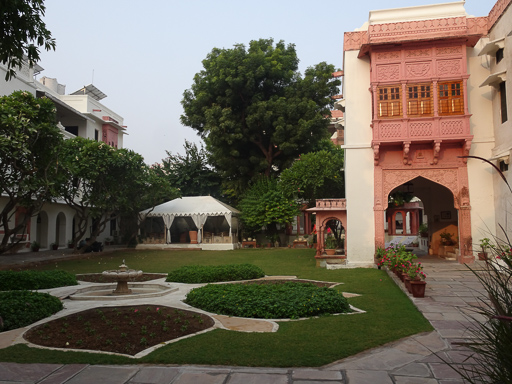
The small windows, often with little holes were where the women could sit and watch whilst remaining hidden from the gaze of men outside the family (remaining in Purdah).
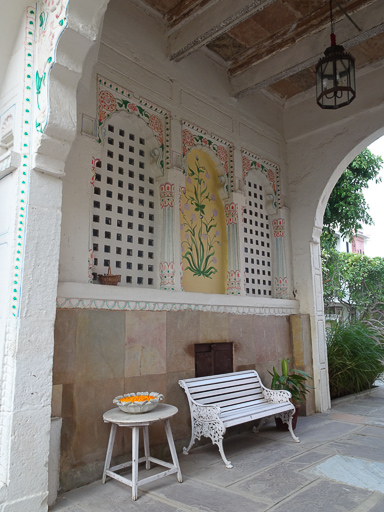
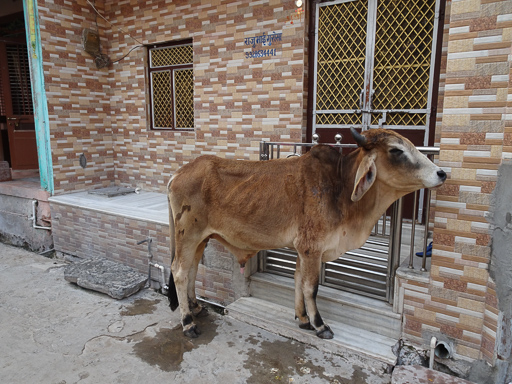
The following morning we left and walked through the village to our bus. We were greeted by many friendly villagers, especially the kids. Our guide explained many of the government social initiatives to provide basic food requirements for those below the poverty line (BPL), and state pensions. Also government initiatives provide funding for proper toilets, free piped water supplies, etc.
Now another bus ride to Pushkar.