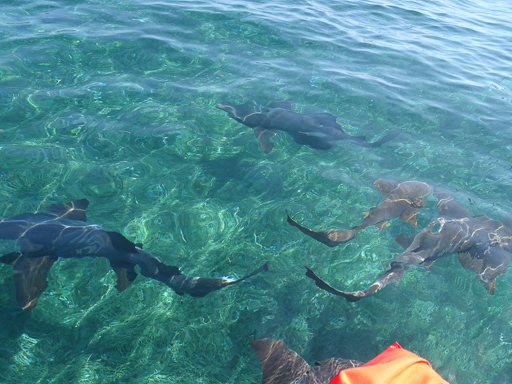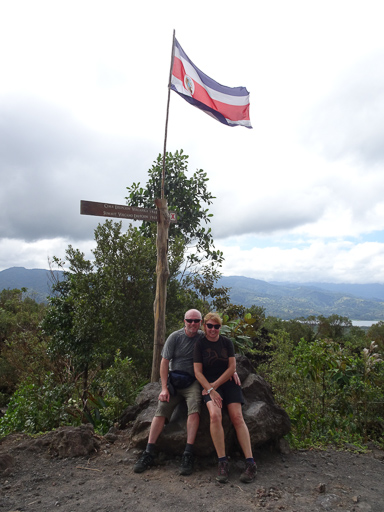
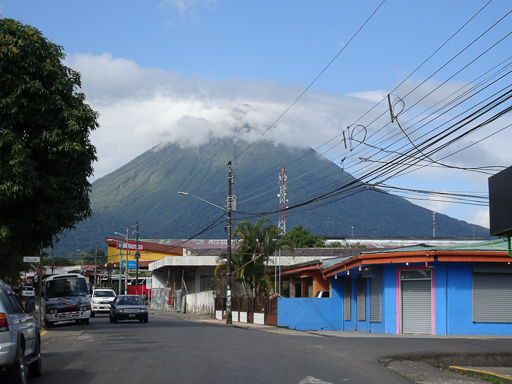
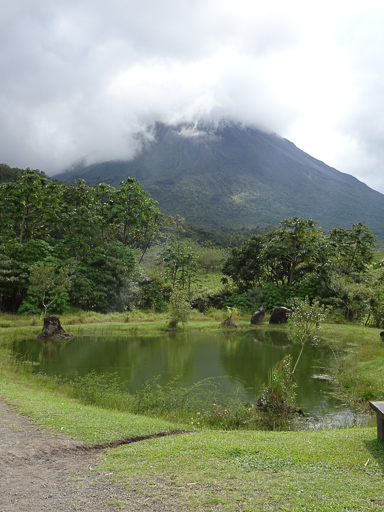
We collected a hire car from the ferry stop on the mainland at La Pavona. The plan was first to head into the mountains and drive to the Volcan Arenal park. We stayed in the town of La Fortuna. The Arenal volcano is still active, but has been quiet since 2010.
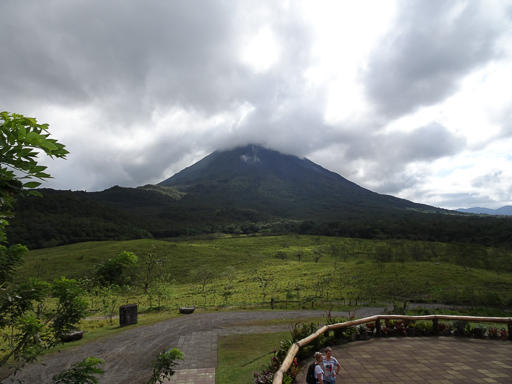
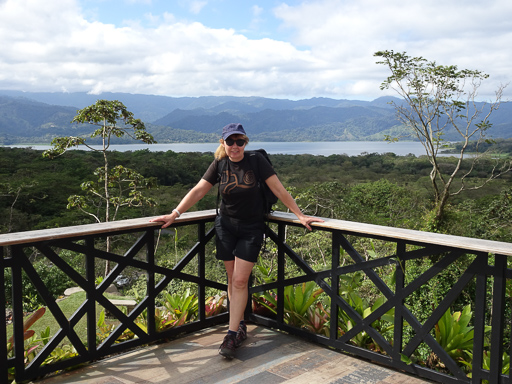
The next day we took a 6km hike on the 1968 Lava walk. This area is named after the lava left from the large eruption of that year.
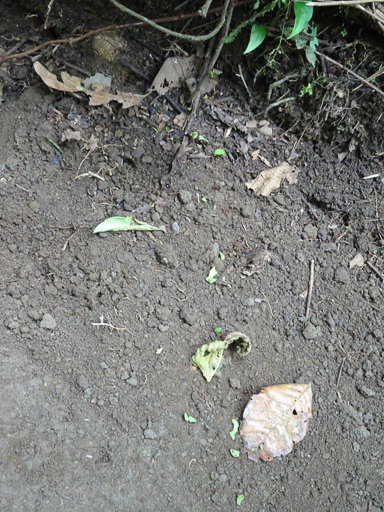
Leaf-cutter ants are very clever. They don’t actually eat the leaves or use them for construction. They use them to cultivate the fungus that they eat. So they are farmers! To kill other non-edible fungus, they carry an antibiotic bacteria on their cuticle which they spread on their crops. So they use pesticide too! When a new queen flies off to start another colony, she takes some of the fungus with her to start a new farm.
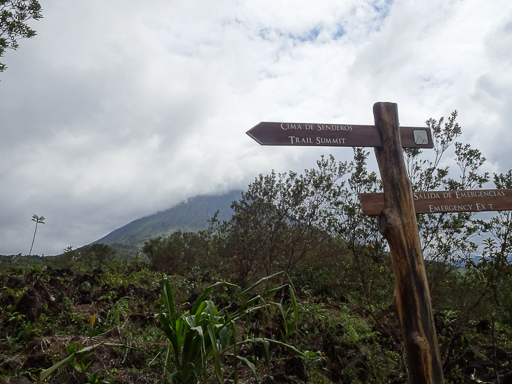
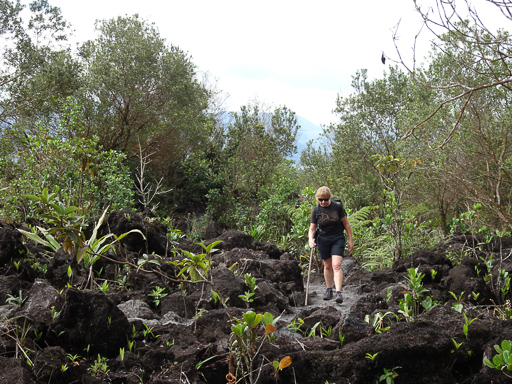
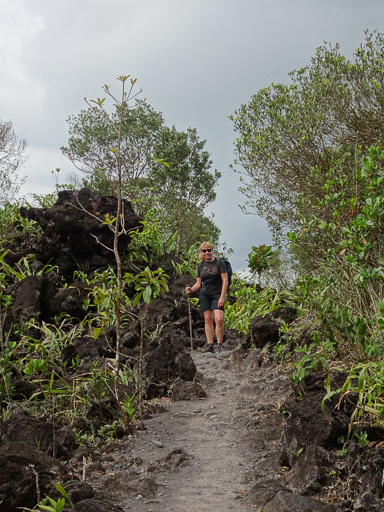
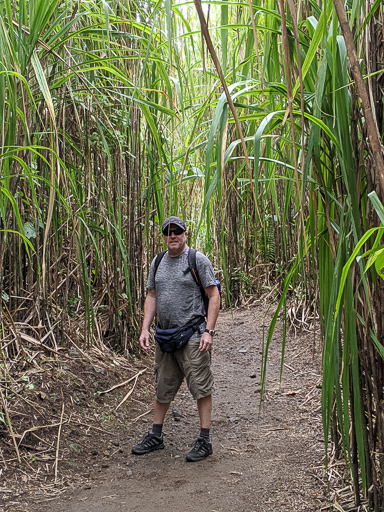
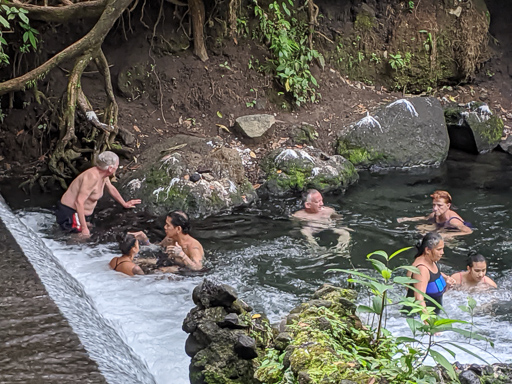
To cool off after the sweaty hike, we went to bathe in the hot springs. Maybe not so effective for cooling off but very relaxing.
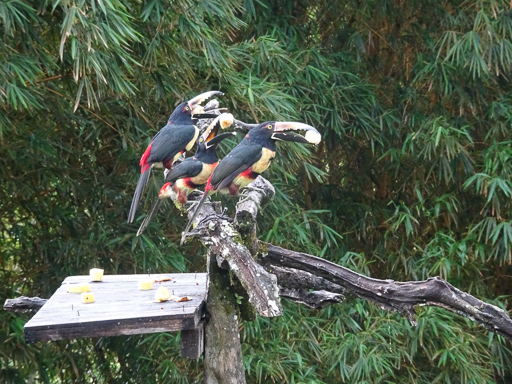
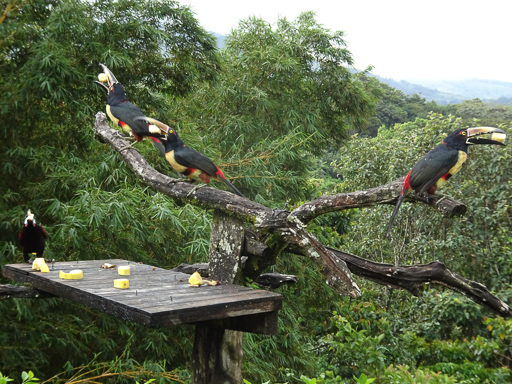
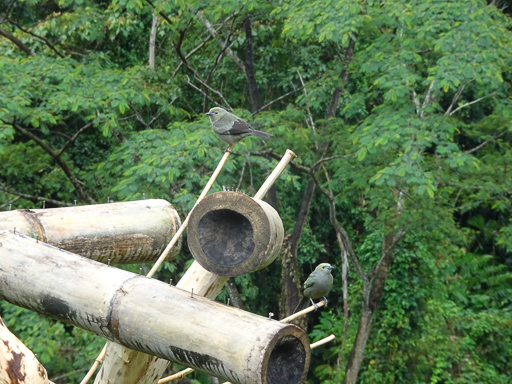
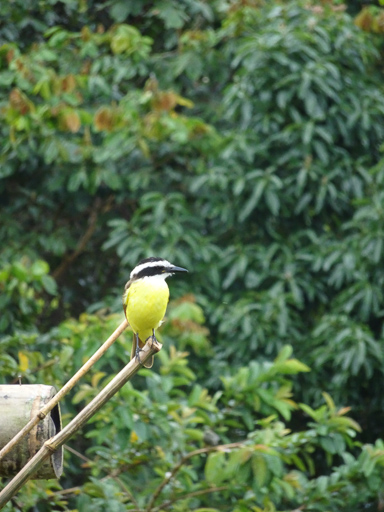
The next day we moved on to Monteverde. Stopping for coffee, there were lots of birds coming down to feed on the fruit that was left out for them.
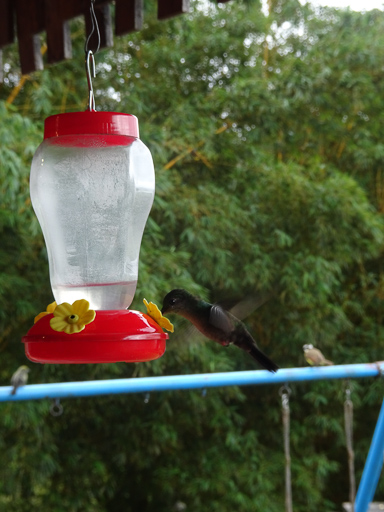
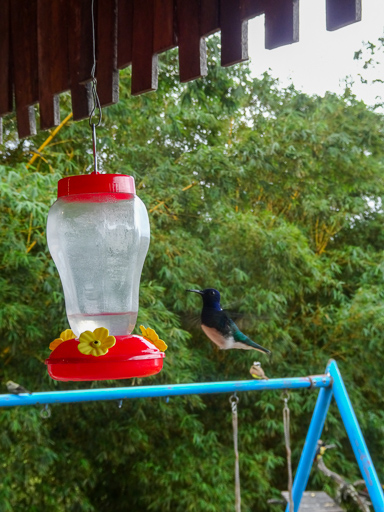
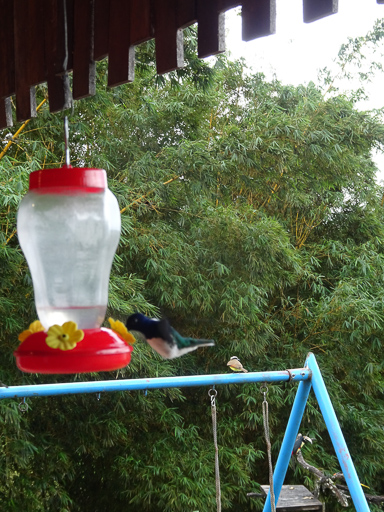
Hummingbirds are amazing little things. Despite their tiny size, they migrate hundreds of kilometers to North America to breed. They can fly 2,000km non-stop and at speeds of 40km/h.
The roads around Monteverde are mostly unpaved.
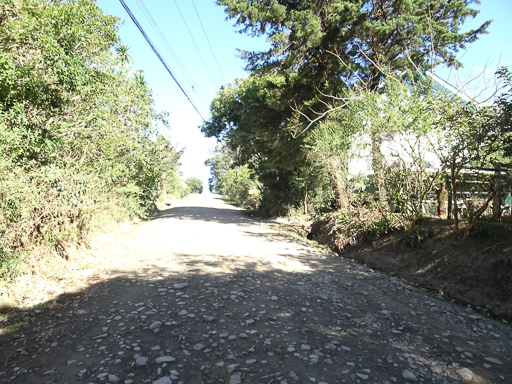
Just as well we hired a 4×4

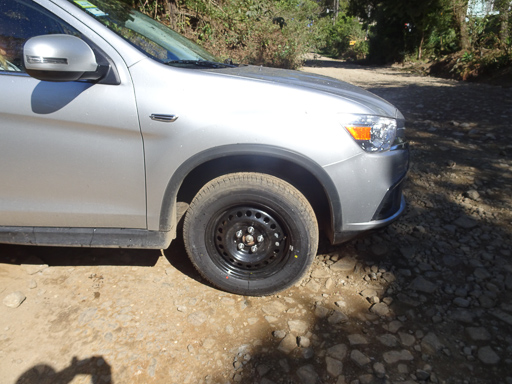
We managed to get a punture though. It was quite challenging to change the wheel, and overcome language limitations to find a garage to get the puncture fixed.
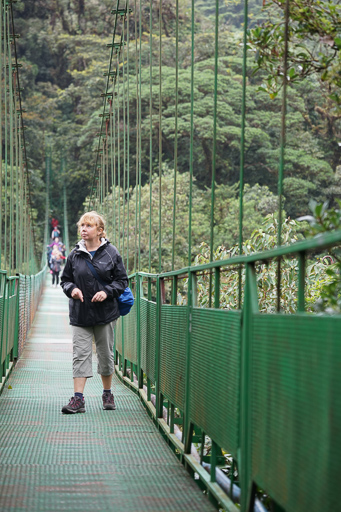
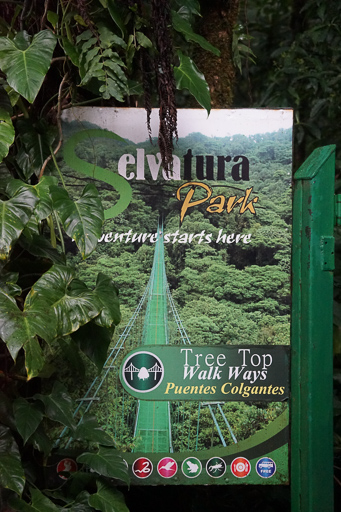
We took a walk on the Hanging Bridges in Selvatura Park. The bridges are hundreds of feet off the forest floor, and get you near the treetops in the cloud forest where most of the wildlife exists.
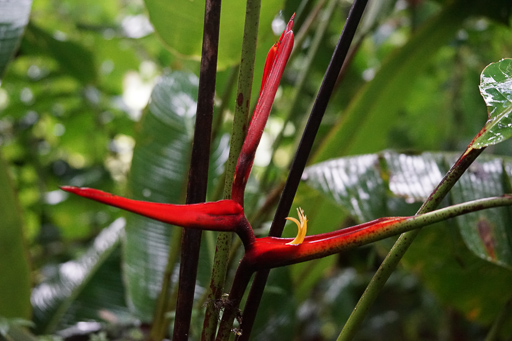
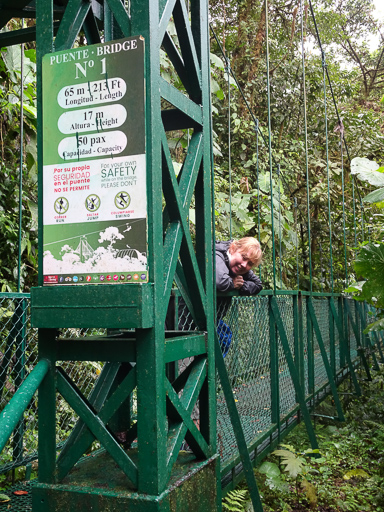
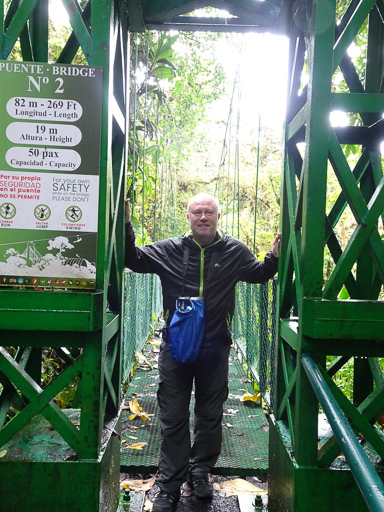
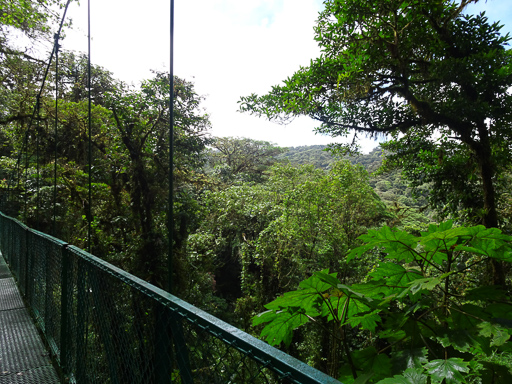
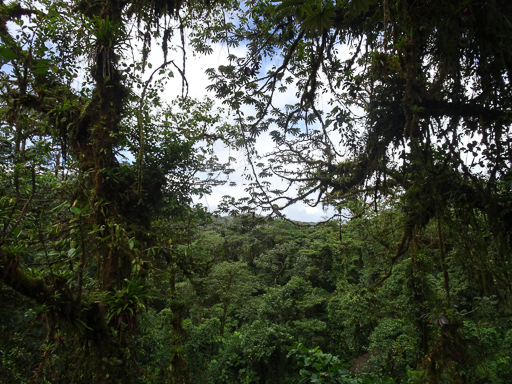
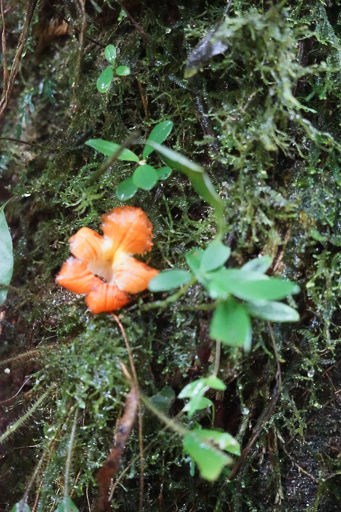
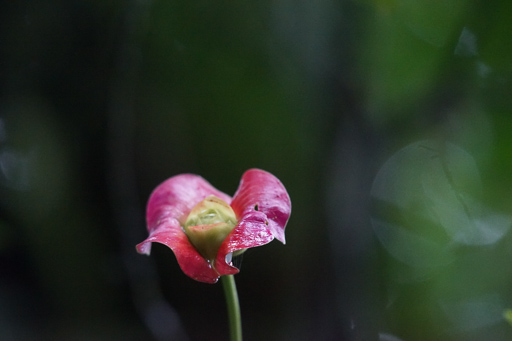
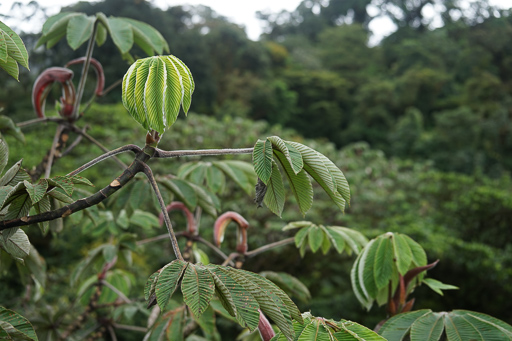
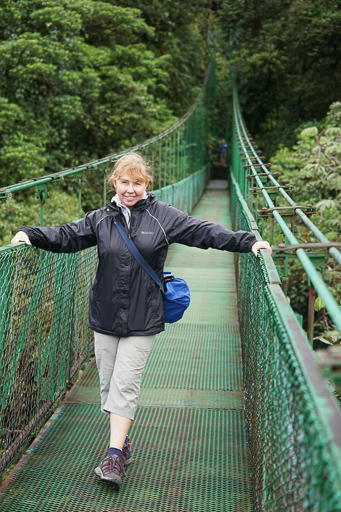
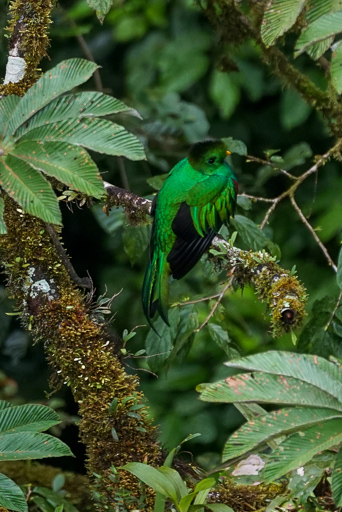
We didn’t see a lot of wildlife or birds on the bridge walk. Maybe it was the time of the day or because of the rain. However, we didn’t realise it at the time, but one of the few birds we saw – at a distance – was the Resplendent Quetzal. It was only later when we were reviewing photos and naming the birds we’d seen that we discovered that.
The Resplendent Quetzal is considered by many to be the most beautiful bird in the world. The Quetzal is the main reason why the area is on the map, and is what most birdwatchers covet. The feathers are iridescent green to camoflage with wet leaves in the rain forest. Luckily someone else spotted it for us. The birds are large – up to 40cm tall with a treasured tail feather of 65cm. So over a metre in all!
The Quetzal is an important bird in ancient civilizations of South America. One god was Quetzalcoatl or “feathered serpent”.